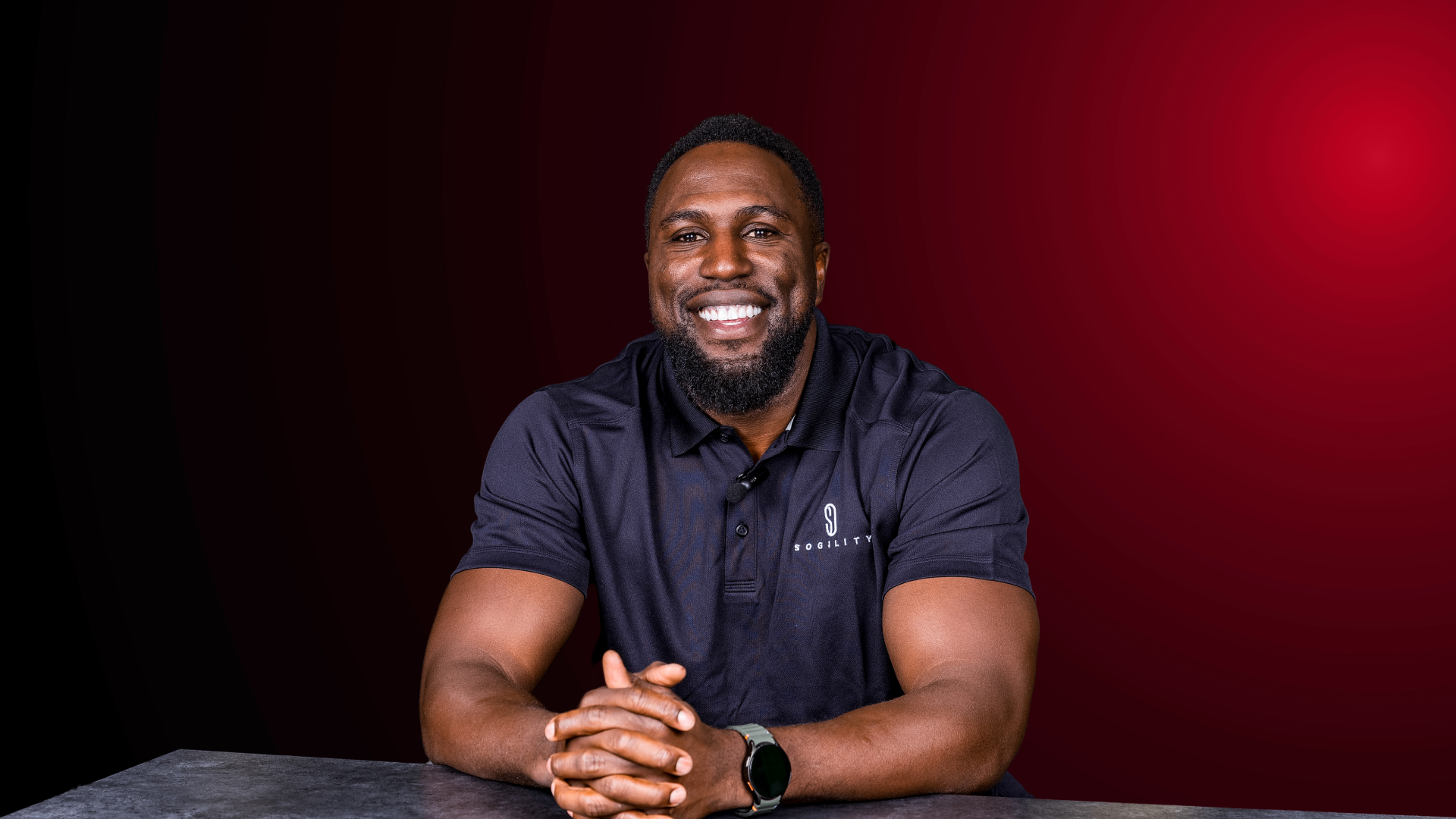
Jozy Altidore
A Builders Mentality
On retirement, reinvention, and what it really takes to build something when the structure that defined your life disappears.
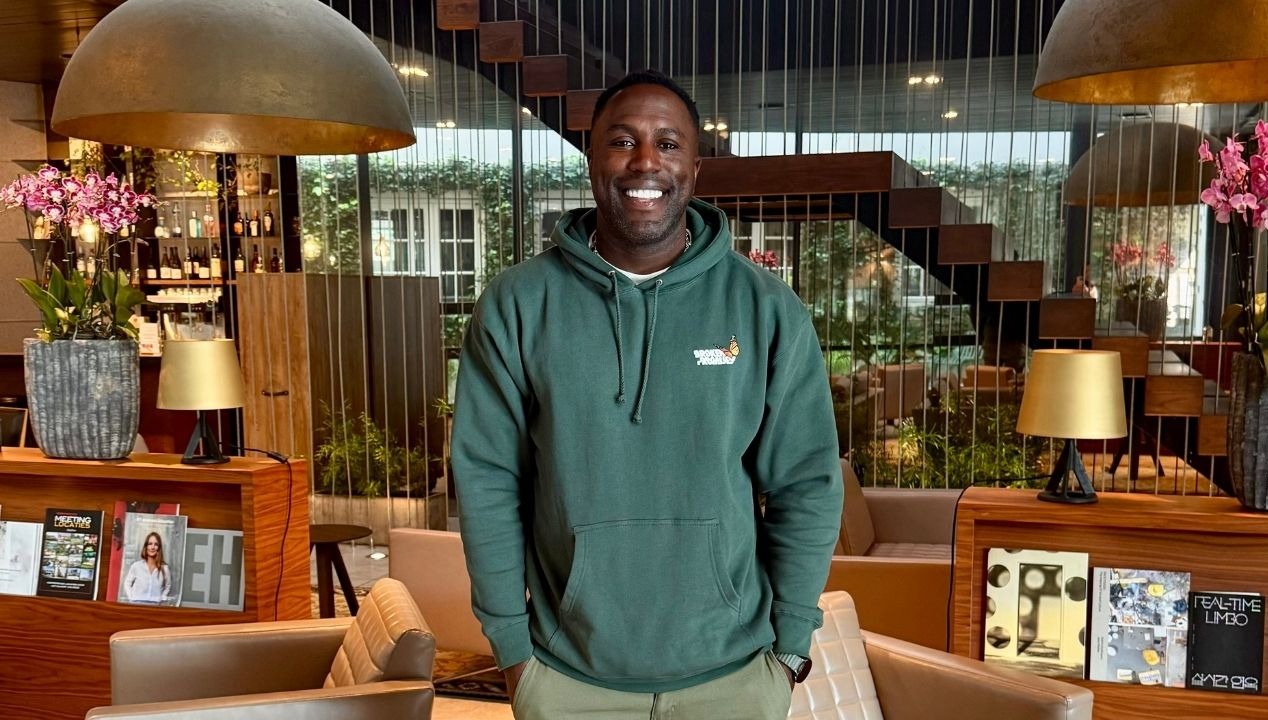
There's a particular kind of athlete who retires and disappears, and then there's the kind who retires and gets to work. Jozy Altidore is the second kind.
For nearly two decades, he was one of the most important players the United States ever produced. 115 caps for the national team, two World Cups, and a career that took him across England, Spain, Turkey, and the Netherlands.
He retired in 2023. When I first connected with Jozy, he had just stopped playing, three months into retirement, and still closely tied to the structure of the game. We meet again now, the day before the KNVB Cup Final, the same cup he won with AZ 13 years ago, when the winning goal came from his foot.
We talk about football, business, and the things nobody tells you about life after the game — what it really takes to build something when the structure that defined your entire adult life suddenly disappears.
Where it started.
Jozy represented the US at the 2010 and 2014 FIFA World Cups.
It's a very unique feeling. You're one of 23 players representing a country of 300 million people. It's an incredible honor, but also confirmation that you've reached the highest level. And along the way, you learn discipline, mindset and the ability to handle pressure in ways most people never get to practise. Those things stay with you long after football ends.
But the foundation was laid much earlier. The 1994 World Cup was hosted in the United States, and a tournament that introduced millions of American kids to the sport for the first time. For Jozy, born in New Jersey, raised in Boca Raton, Florida, and shaped by his Haitian roots, it planted something deep.
The 1994 World Cup, that's my biggest memory. My father recorded every match on VHS. When I got older, he played them back for me. That's how I started understanding football, the players, the movements, the moments, I was watching it like film study.
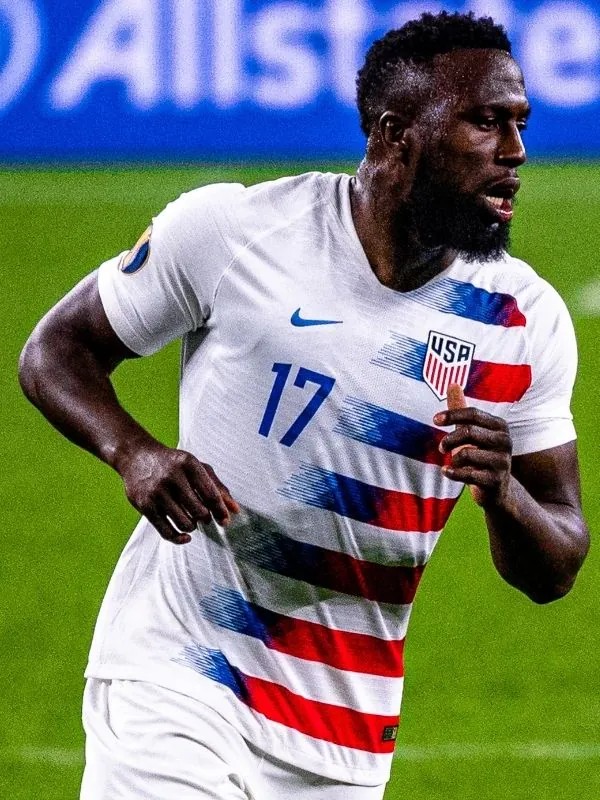
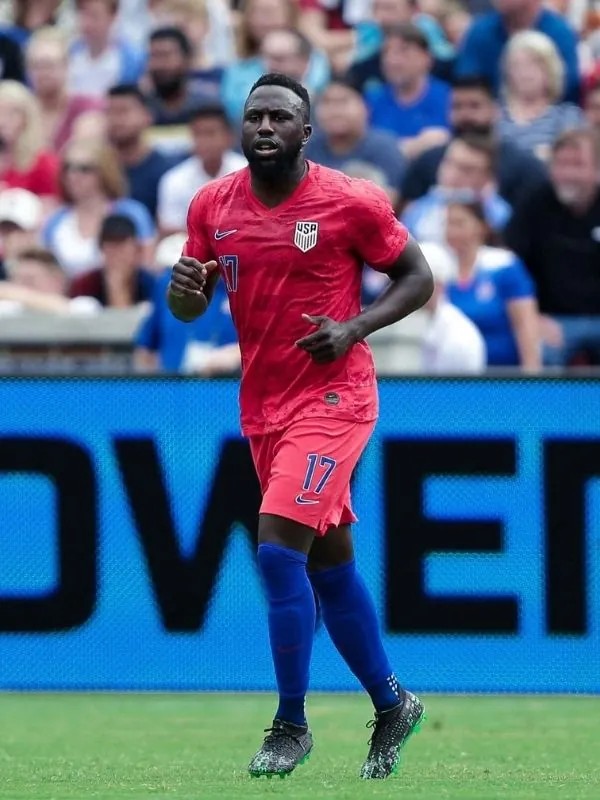
By 18, he had moved to Europe, beginning a career that would take him through clubs like Villarreal, Hull City, Bursaspor, AZ Alkmaar and Sunderland. Every move demanded adjustment. He was forced to grow up quickly in environments that shaped him far beyond the pitch.
You leave your family, your culture, your friends — everything you know — and you go somewhere completely different. At the time, it was hard. There were moments I questioned it. But now in this phase of my life, it's a superpower. I was in different environments, clubs, and countries. I met owners, people at the club, and teammates from all over the world. Now I can tap into all of that. If I need to understand a market, or connect the right people, those relationships are there.
The transition nobody prepares you for.
The conversation moves from the playing career itself to what comes next. When did he first start thinking about life after football?
Before I stopped playing, I was thinking about it, but I wish I had taken it more seriously, earlier. Because what you don't realise until it's gone is how much of your life is built around routine. That's probably the hardest part. You've been doing it your whole life. Your body, your mind, everything is programmed to perform on a schedule. And then one day, that structure just isn't there anymore.
He pauses, then continues.
Nobody is telling you where to be, what time to wake up, what to eat, what to work on. So the question is, are you still as disciplined when you don't have to be? Do you still want it the same way, when there's no contract, team, or match on Saturday pushing you forward? That's the test. And if you haven't prepared for it, you're kind of scrambling. You're asking yourself, what am I going to do now?
That gap between the end of a playing career and the start of something new is where transitions often break down. Ambition isn't the issue. It's that the professional game doesn't train you to build something without a structure already in place.
I asked myself: how adaptable can I be? How many different things can I do well? I took that same mentality I had as a player into business. Being disciplined and consistent, being almost relentless in trying to improve. It becomes like an obsession, but in a good way. It's the same pursuit, just in a different arena.
I took that same mentality I had as a player into business. Almost relentless in trying to improve. It's the same pursuit, just in a different arena.
Learning to invest.
That mindset is visible in what he has built. In a relatively short period of time, Jozy has developed a portfolio across sports and entertainment, with investments in organisations like the Buffalo Bills, SailGP, and TMRW Sports, alongside his role on the executive advisory board of private equity firm Gridiron Capital. For someone 2 years out of playing, that's a serious footprint.
The role at Gridiron exposes him to how institutional capital operates, how deals are sourced, evaluated, and supported over time, and how teams are built around companies to scale them effectively.
For me, it's about learning the process, how decisions are made, but more importantly, how they decide what not to invest in. That's where the real learning is. When I started investing, I wanted to be in everything. Every opportunity looked interesting. But over time, you realize, it's not about doing more, it's about doing better. It's about quality over quantity.
There's a maturity to that answer that I don't always hear from athletes making their first moves into business. Jozy seems to have moved through it faster than most.
I look for things that are disruptive, but with a plan, something that can evolve. Due diligence matters but so does instinct. You need confidence in the people, the founders and the vision.
On the pitch, Altidore was always very intentional about being multi-dimensional.
You know, I didn't want to be a guy that was just in the 16-meter box that people say, ah, he only scores tap-ins, or he only scores a certain way. So I wanted to make sure I could score every different type of goal, headers, free kicks, left foot, right foot. I took that mindset into the business world. How can I add value across different situations, different industries, different roles? You need a second, third, fourth plan. In life and in business. To just have a plan A... I don't think is wise.
FootyMarket and Sogility.
Beyond investing, Jozy is building two businesses, both rooted in problems in football he watched go unsolved for years.
The first, FootyMarket, is a marketplace for pre-owned and unused football boots, gear, and equipment, designed to connect and support the global soccer community through buying, selling, and donating gear. It all started with a simple observation.
I looked at my garage one day and thought: Man, somebody could really use this gear. And then you start pulling on that thread. How much equipment is just sitting unused across the football world? And at the same time, there are kids who can't afford to play. So how do you connect those two things? That's what FootyMarket is, making the game more accessible, letting people generate value from what they're not using, and creating a give-back system that actually connects the football community in a way that doesn't really exist right now.
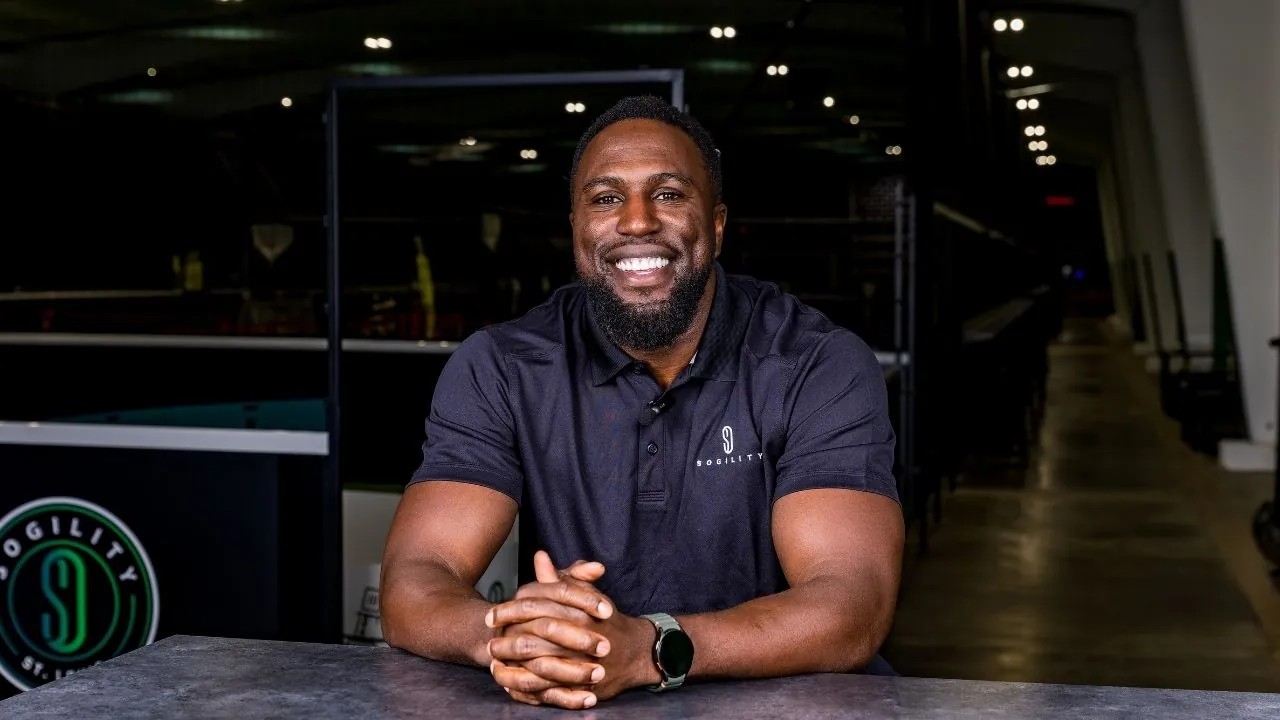
With Sogility, the focus shifts from access to development. This training and development platform uses structured programs and technology to make player development more consistent across different environments, clubs, and resource levels. Training, particularly at youth level, is often inconsistent and based on subjective feedback. Sogility addresses this by combining physical training environments with technology and data through data-driven performance tracking, gamified training experiences, and personalized feedback based on real metrics.
Training is fragmented. What a player gets depends on where they are, who their coach is, what resources their club has. We wanted to make development more consistent, more engaging, and more measurable. We make training interactive and gamified, so whether you're advanced or just starting out, you're going to be challenged. And it's not subjective anymore. It's not a coach guessing, but the data tells you exactly where you are, what you need to work on, and what the next step looks like.
The model extends beyond facilities through Sogility Go, allowing players to train at home with connected devices.
The player can use it almost like a virtual coach. You're not limited to a facility anymore. You can train, track, and improve wherever you are.
The focus of Sogility is clear: accessibility, engagement, and measurable development.
The American mindset.
At some point, our conversation moves to a subject I find myself returning to constantly in my work, the cultural gap between how American and European athletes approach building a life beyond the game.
I've always been inspired by how American athletes leverage their platform and how naturally they seem to understand that the playing career is just one chapter of something larger. In Europe, that mindset is still developing, there's often a clearer separation between the athlete and the business of the athlete.
Jozy has a foot in both worlds. He grew up American, built his career in Europe, and now operates across both. His perspective on this is sharper than most.
Look at someone like LeBron. He's performing at the highest level and simultaneously building, investing, creating, and nobody questions his focus. It's not seen as a distraction. It's part of who he is. In the U.S., athletes are encouraged to think beyond the game and to explore, to really build something alongside their career. The environment supports it.
In Europe there's definitely a stigma. The idea is that football is the most important thing, and anything outside of it is a distraction. But I don't think it has to be that way. It's not about choosing one or the other. It's about finding a balance that works for you.
For a long time, football is your identity. Even now, sometimes I'll wake up and think I should be training. That instinct doesn't disappear overnight.
For a long time, football is your identity, it's everything. Even now, sometimes I'll wake up and think I should be training. That instinct doesn't disappear overnight. But gradually, space opens up. And with that comes a different kind of question.
The World Cup 2026.
With the 2026 World Cup returning to the United States, there's clear momentum around football. What does he actually expect to shift on a structural level?
It's going to be a turning point. Not just for the national team, but for the entire ecosystem, grassroots academies, infrastructure, professional investment, all of it. But what matters is what happens after. That momentum doesn't disappear when the tournament ends. It carries forward. MLS is already in a completely different place than it was 5 or 6 years ago. The level has improved, the business side has matured. When you add global attention to a market that's already growing, it creates opportunity, for players, for investors, for people building in and around the game. For the next generation, the pathway is more visible. The examples are there.
Looking back, moving forward.
Near the end of our conversation, I ask him a question I often return to with players at this point in their career: what would you have done differently along the way?
He doesn't hesitate.
As a player, you're in rooms with incredible people. Owners, executives, people doing remarkable things. But you're not thinking about building relationships, you're just thinking about the next match. I'd meet someone important, say thank you, and leave. And now I look back and think, I should have done more, asked more questions, stayed in touch. Built something from those moments. The access was there but the awareness wasn't.
What drives him now that the game is no longer the answer is clear.
I want to help people. Create opportunities and connect things that maybe weren't connected before. Entrepreneurship feels familiar in that way. You work every day behind the scenes. Nobody sees it. And then you get your moment. The difference is that now, there is no final whistle, just a longer horizon, and a different definition of winning.
He smiles.
I don't know exactly where it leads, but I know I'm enjoying it. And that matters.
He doesn't finish the sentence immediately. Then:
When I think about my parents, where they came from, what they built, I ask myself: how far can I take it?
When I think about my parents, where they came from, what they built, I ask myself: how far can I take it?
Related
Continue reading.
Sergiño Dest
On the World Cup, choosing the US, building courts, and the legacy he's already shaping at 25.
Niklas Süle
On building games & leaves and German Giant Gin, financial independence, life without social media, and choosing a future beyond professional football.
Holger Badstuber
On Bayern's treble side, the injuries that shaped him, true friendship, and building a circle athletes can actually trust.
Jan Vertonghen
On leaving home at 16, the conversation that changed his career, building a foundation, and what comes after 157 caps.
Alfred Finnbogason
On scoring Iceland's first-ever World Cup goal, seven countries as a player, and stepping into one of Scandinavia's biggest jobs as Technical Director at Rosenborg BK.
Join
Newsletter.
Be the first to read new conversations and behind-the-scenes notes.