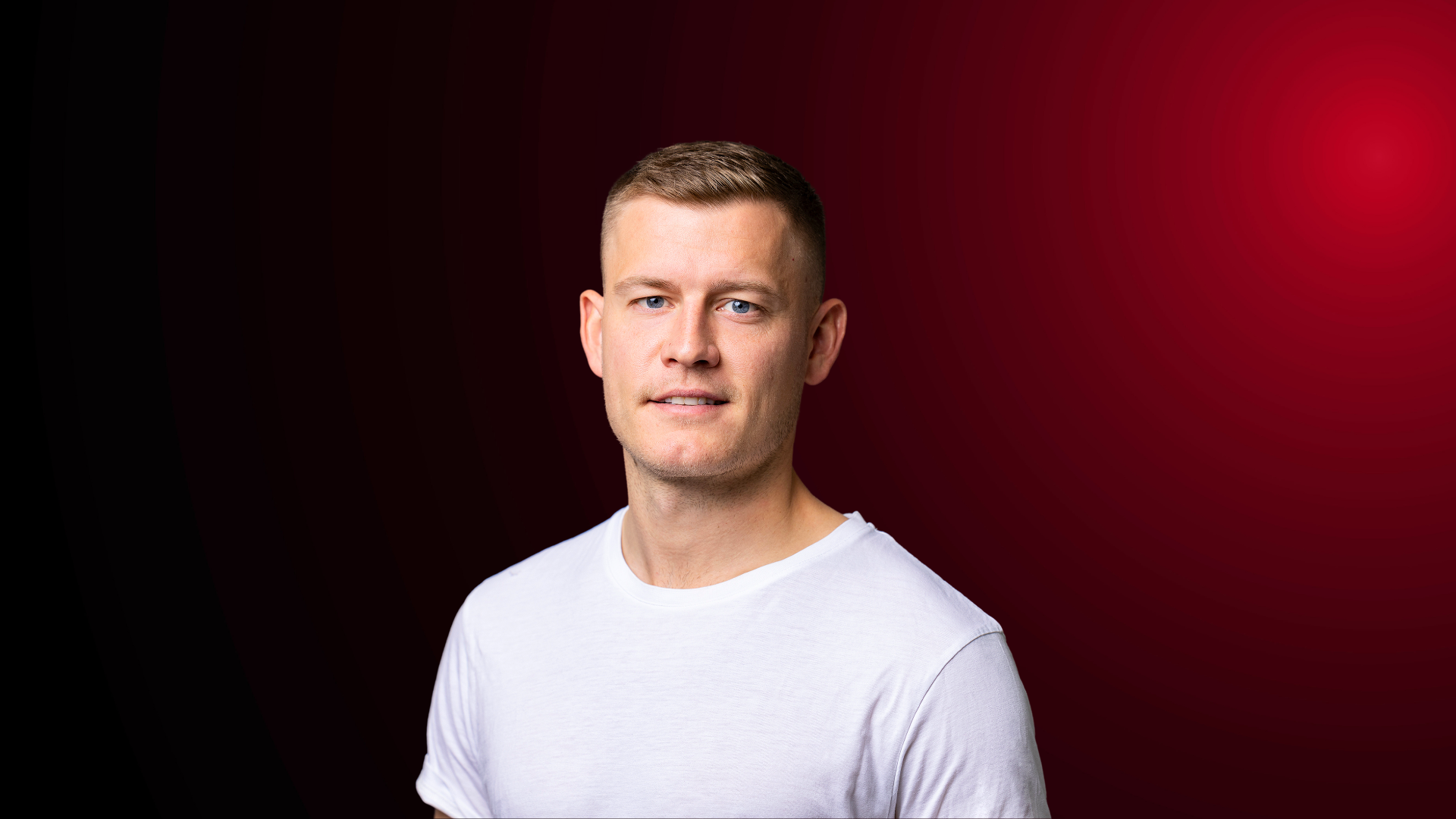
Alfred Finnbogason
Never Stop Learning
On scoring Iceland's first-ever World Cup goal, seven countries as a player, and stepping into one of Scandinavia's biggest jobs as Technical Director at Rosenborg BK.
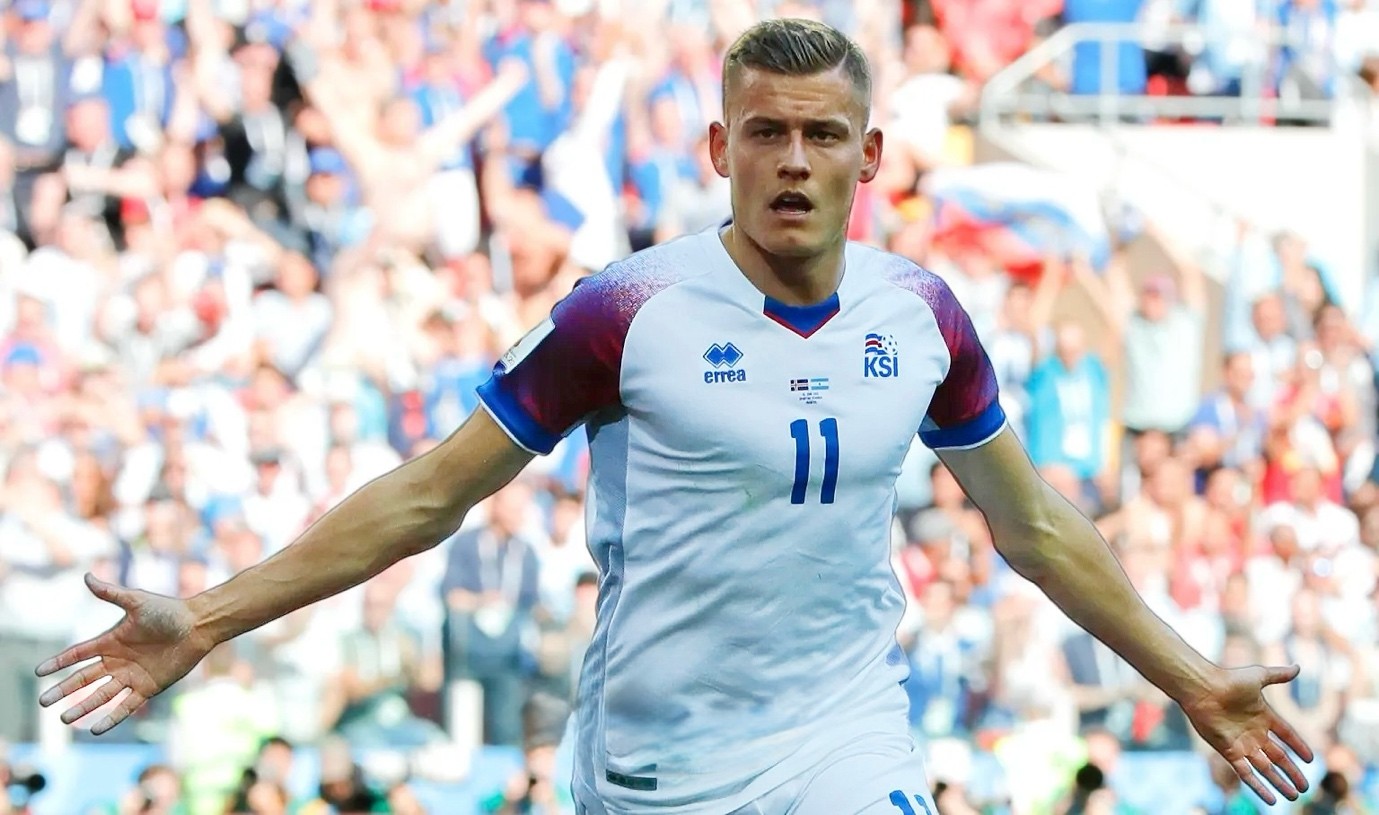
Russia, 2018. It's Iceland's first-ever World Cup. Opening game against Argentina, against Messi, in front of the entire world. And Alfred Finnbogason scores.
It's the kind of moment that defines a career. A nation of 350,000 people, every single one of them watching, and it's his goal and his name in the history books forever.
And yet, Alfred Finnbogason is not someone who lives in the past, not even a past as good as that. He was always looking forward. While most players were only focused on collecting trophies and sponsorship deals, he was studying during his active career, preparing for a life after football before anyone around him was thinking about it.
Now he's Technical Director at Rosenborg BK, 26 league titles and one of the biggest jobs in Scandinavian football. The pressure is different from what he experienced as a player, but no less significant.
And while the world tunes in for the World Cup this summer, Alfred's attention will be on Rosenborg as the Norwegian league resumes in mid-July.
History In Real Time
Alfred had a major part in Icelandic football history. The first game at a World Cup was against Argentina, and Alfred scored. When I ask him how he experienced that particular moment, you can see it's a memory that still means everything.
It's for sure the highlight of my career. First of all, just to be part of playing in the World Cup. But also coming from Iceland, to do it for the first time for your country, to be the smallest country ever to play in a World Cup at that time. It was special in so many ways. A dream come true for all of us.
It's the biggest stage and everything you do there is with a magnifying scope. Everything gets judged extra. For me it was a lot of positive experiences, so I know it had a very positive effect. At the time I was already playing well at Augsburg and extended my contract there afterwards. It definitely helps every player in their evaluation to play and perform at a World Cup. That's for sure.
And with the 2026 World Cup this summer, Alfred knows exactly what he'd say to the players who are about to step onto that stage for the first time.
Just enjoy it. Especially if you're not from a huge country, it's probably going to be one time, or two times if you're lucky. As an athlete I could be too serious, take things too seriously. Of course you want to win and succeed. But use every moment to let everything sink in. Everyone who you've met along and made some relationship with, they're going to be watching. It's a special place to be. Don't forget to enjoy it.
Seven Countries, One Lesson
Belgium, the Netherlands, Germany, Greece, Spain, Sweden and now Norway. Seven countries, seven football environments. Alfred paid close attention to what made each place unique, and what he took from those experiences goes far beyond football.
It gave me great insights into different cultures and the different ways of playing, where the priorities are, what the focus is. Something that in one country is super important or a huge focus isn't the same in another country. It gives you a broader view.
Also to experience other lifestyles and mentalities, and getting to learn different languages. I only see it as a big positive. It made me very adaptable to new circumstances, because I knew how it was to move between countries. Now I'm in a new country again and it becomes really easy when you do it after a couple of times.
The biggest adjustment came in Germany. In Scandinavia, Alfred had been used to environments where conversations flowed more freely across the dressing room, coaching staff and club leadership. Germany felt more structured and hierarchical. Learning how to navigate that environment, while staying true to himself, became part of the experience.
I tried to mix it, to come from where I was and be really open to the leaders and the coaches. I think in the long run they liked it, that they had someone who was at least giving them honest feedback.
Experiences like that shaped an approach that still guides him today. Before trying to change anything, Alfred learned the value of listening first.
I didn't want to come in and say, yeah, this and this is important, but to listen to people and to understand first what you're going into. You have to get to know the people, get to know how they work and their mentality, what's important, and then slowly, gradually start implementing things based on what's important in each place.
Own Your Career
I first got to know Alfred during my time working at a football agency. Even then, he understood something many players don't fully appreciate until much later: the importance of taking ownership of your own career.
I started really early to build a team around myself, a psychologist, physio, nutrition. Because I knew that you cannot be dependent on people in a club. You're going to be moving and the people are going to change jobs. So I always had these same people I could turn to.
I started really early to build a team around myself, because I knew that you cannot be dependent on people in a club.
Most players work within the support structures provided by their clubs. Alfred chose to build one of his own. The psychologist, nutritionist and other specialists stayed with him across contracts, countries and different stages of his career. While clubs changed, that support system remained constant.
Having a sports psychologist was part of that, someone outside the daily environment of football who could offer a perspective the club simply cannot offer.
Not like every week or something, but every couple of months I thought it was very good to speak about things with someone on the outside and really hear a different voice.
That network of trusted experts — psychologists, nutritionists and eventually his own physical coach — stayed with him throughout his career, even when it sometimes clashed with a club's way of working.
It sometimes led to conflict because the clubs have their own philosophy. I wanted a steadier way of working that was more suited to me. So yeah, I tried to surround myself with top people that were with me for a longer time. I was someone who is innovative, who looks for edges to improve. Always wanting to become better.
That mindset came through in how he trained, how he recovered and, eventually, in the partnerships he chose. With partnerships, Alfred always looked for genuine fit.
I did a cooperation with a company that was quite close to what I believe in, a fish oil and health company from the town that I grew up in. I think nutrition is something that gives you that edge. And I was really always open to try different things there.
Learning Never Stops
Alfred finished school in Iceland at 20 and went abroad at 21, taking a different path from many players who reach his level. But once his career took off, he never lost sight of the fact that football wouldn't last forever.
I was always aware that a football career is quite short. It's going to end somewhere between 35 and 40, maybe sooner if you're unlucky. So I was studying most of the time I was playing.
The list of what he studied alongside a full professional career is striking: Psychology at Open University, Sports Management at the Johan Cruyff Institute, Business Administration at Háskólinn á Akureyri in Iceland, the UEFA Master in Sports Directorship completed this year, and the UEFA Executive Master for International Players (MIP), still in progress.
I started doing psychology around 2011, through distance learning because I couldn't be in a classroom. I did it for about a 1.5 year and found out it wasn't for me. Then I went to sports management and that was more the direction I wanted to go.
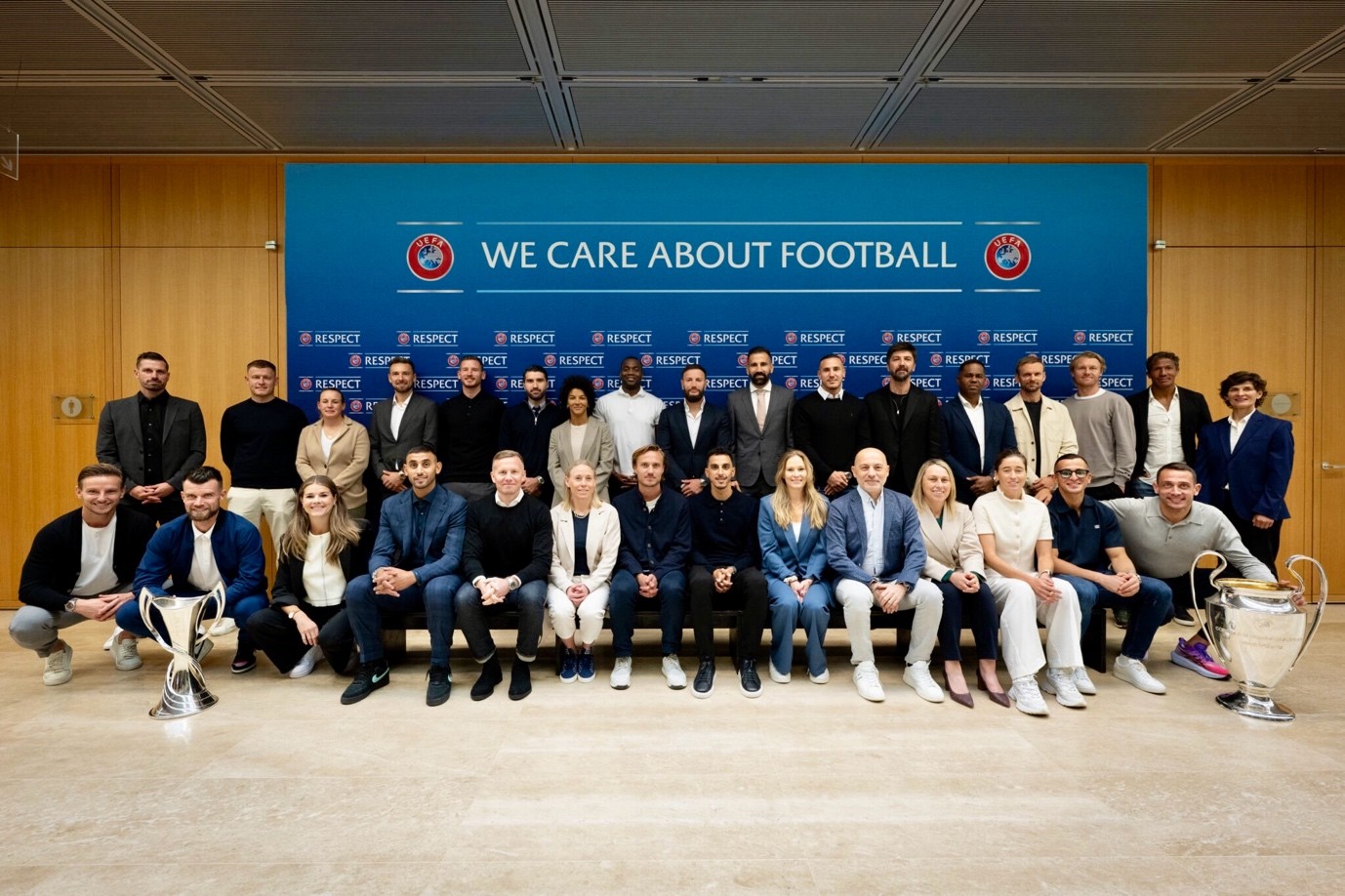
That interest in learning is still there. A couple of months ago, we ran into each other at Decoded — The Science Behind Football's Next Frontier — where he was speaking on a panel.
Taking a lot of different courses and going to conferences, it's to increase my network and also to learn. It's really about being around people that have tried different things and learning from their experience. Getting out of the daily work sometimes. You meet a lot of interesting people. I think I'll always be curious. Meeting new people and learning from them is something I'll probably always keep doing.
Managing People Is Everything
Alfred went from finishing his playing career to stepping into a sporting director role within a matter of months, first at Breiðablik in Iceland and now at Rosenborg BK. What has surprised him most about seeing football from the other side?
I would say managing people is something I underestimated. There's a lot of talk about different things, buying players, recruiting staff, scouting, performance. But the thing that is probably taking up the most time and been the most challenging is managing people. You need the people in the organisation to be aligned, to be performing at their best, and also to be happy. To be happy to go to work and work together.
People are looking up to you. They want to be seen, which is normal. And when you are head of 30, 40 people, it's a lot to manage sometimes. You can't neglect it. How much time of your day goes into that, that's probably the most important thing in the end.
No course prepares you for that.
It's really about communication and reading situations. Every situation is different. But with experience you become better at it, the experience for sure helps.
Normally, he plays golf and padel when he can, goes out for dinner and makes time for the things that remind you there's a life outside work. He laughs. He hasn't managed much of that in the past 3.5 months. Norway is still new, and Rosenborg has demanded his full attention.
Not The Biggest Club. The Right One.
The season is still young. The pressure is real, and the work never stops. But throughout our conversation, it's clear that Alfred is thinking beyond the next match or even the next season.
In the future, I see myself as a sporting director at a club that is very ambitious, playing in Europe, working with people that give me energy. I think that is some of the things that are most important, if it's here or somewhere else. I don't think it has to be the biggest club. I think sometimes if you're at a big club it can be too many people who are sometimes maybe in the way of others. What I want is ambition and people going in the same direction together.
I don't think it has to be the biggest club. What I want is ambition and people going in the same direction together.
Most people in football would never say that out loud.
When I was a player I had really high ambitions. I wanted to play for the biggest clubs in Europe. When I look back I'm proud of what I was able to achieve. Now I'm in a new career, just starting and in a learning period, I have to be very humble about that. But I have the same mentality. I want to be the best I can be and reach my highest possible level.
Ask The Question
Something I come back to constantly in my work is the gap between where a playing career ends and where the next chapter begins, and how few players actually prepare for it while they still can. Alfred is one of the rare ones who did.
As a footballer you get a lot of privileges and people want to be your friend, but then it changes quite quickly when you stop. You need to create some value or something that gives you an edge when the career is over. I've had a lot of good people help me along the way in different ways. The important thing is not to be afraid to say: Hey, how have you done it, what have you done? You find your own way of doing it, but you need those conversations.
Alfred was studying, building a team around himself, thinking past the next contract. And still, the path was never fully mapped out.
You always have some doubts. Is that the right way? You're not 100% sure if it will work. You're always dependent on opportunities. I can say now it seems like the plan worked, but I didn't have it all written up. I just took steps and I was active and trying to explore my network and learn from people that have been there.
For Alfred, that's unlikely to change anytime soon.
I'm probably never going to stop learning something.
Related
Continue reading.
Sergiño Dest
On the World Cup, choosing the US, building courts, and the legacy he's already shaping at 25.
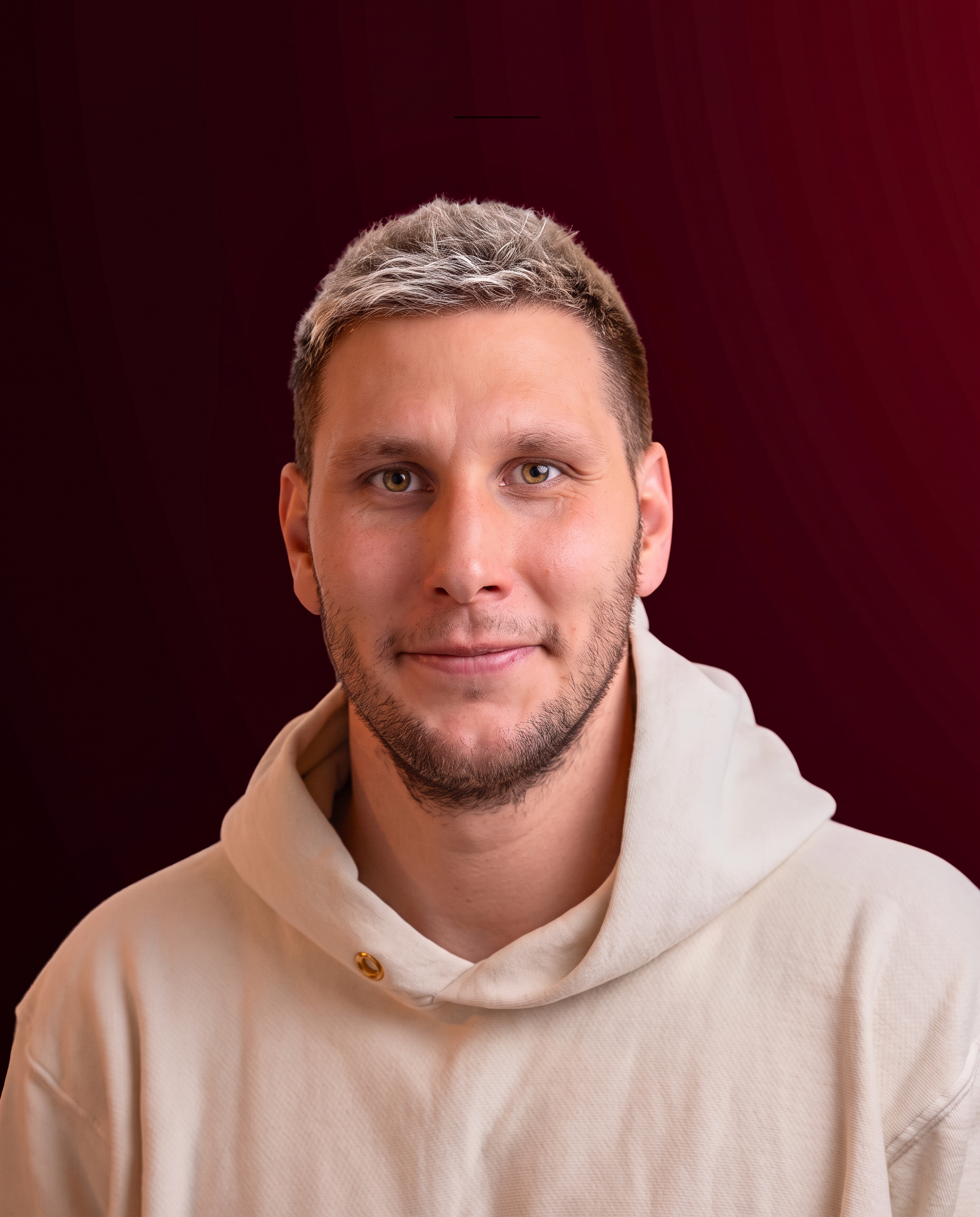
Niklas Süle
On building games & leaves and German Giant Gin, financial independence, life without social media, and choosing a future beyond professional football.
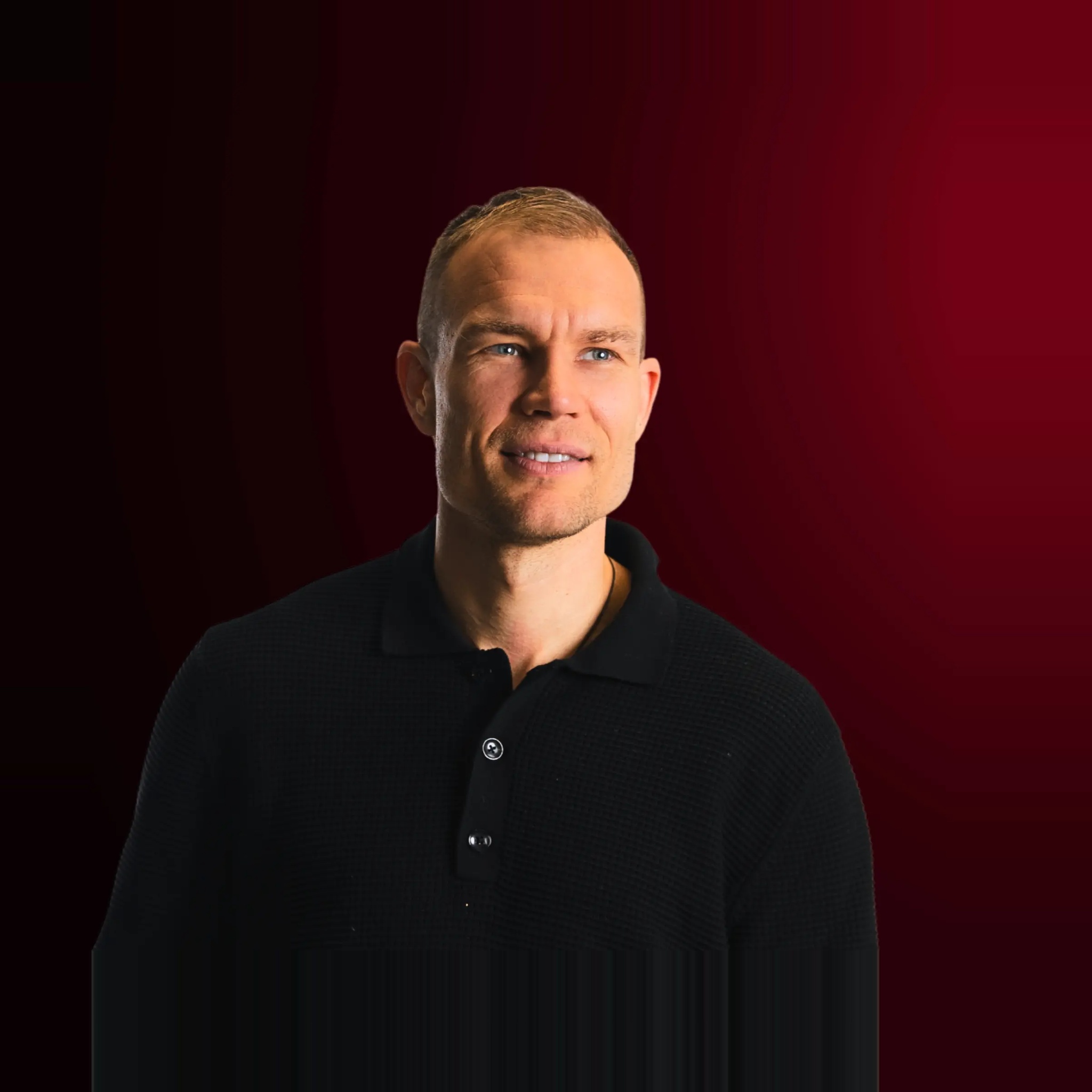
Holger Badstuber
On Bayern's treble side, the injuries that shaped him, true friendship, and building a circle athletes can actually trust.
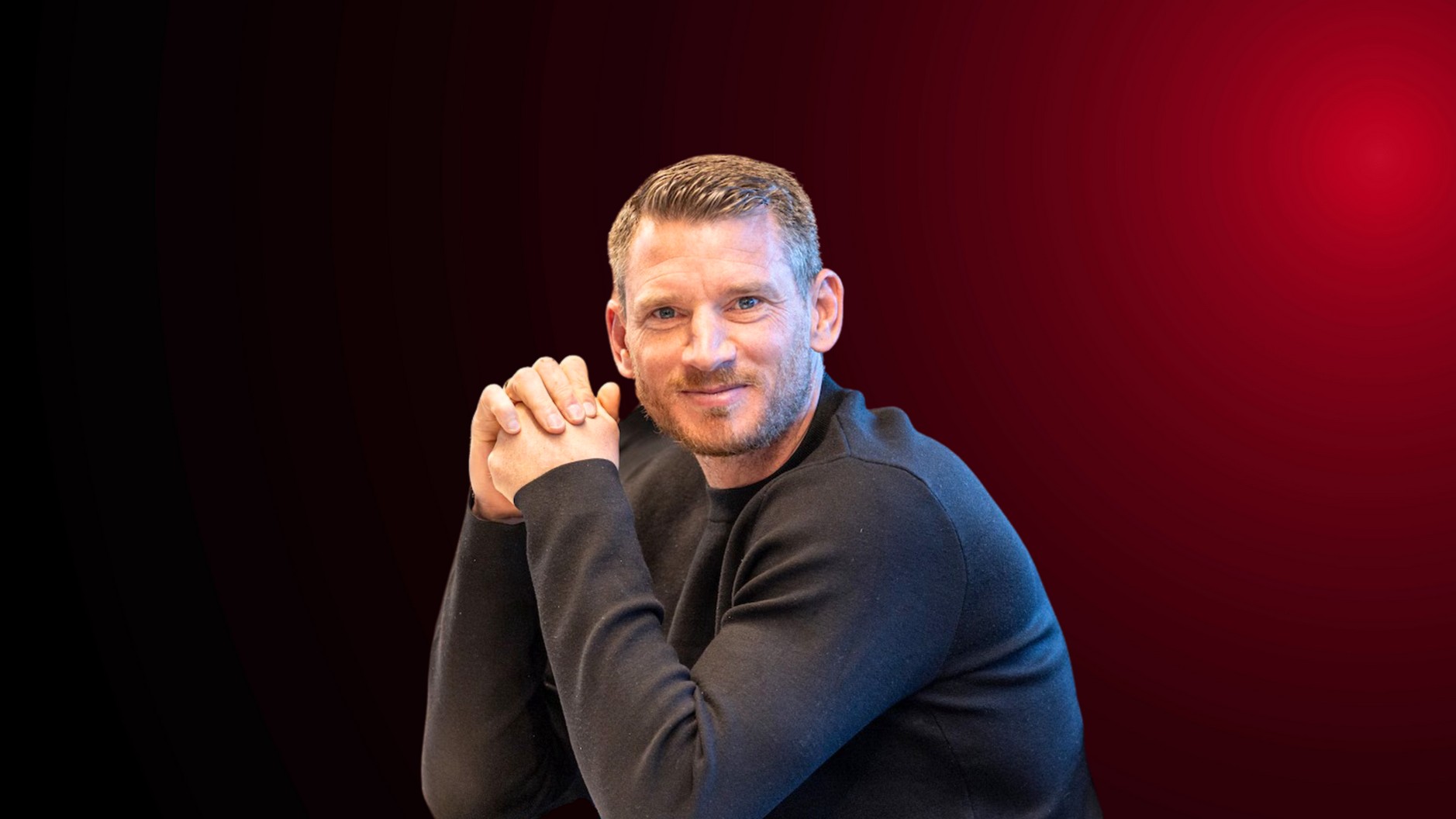
Jan Vertonghen
On leaving home at 16, the conversation that changed his career, building a foundation, and what comes after 157 caps.
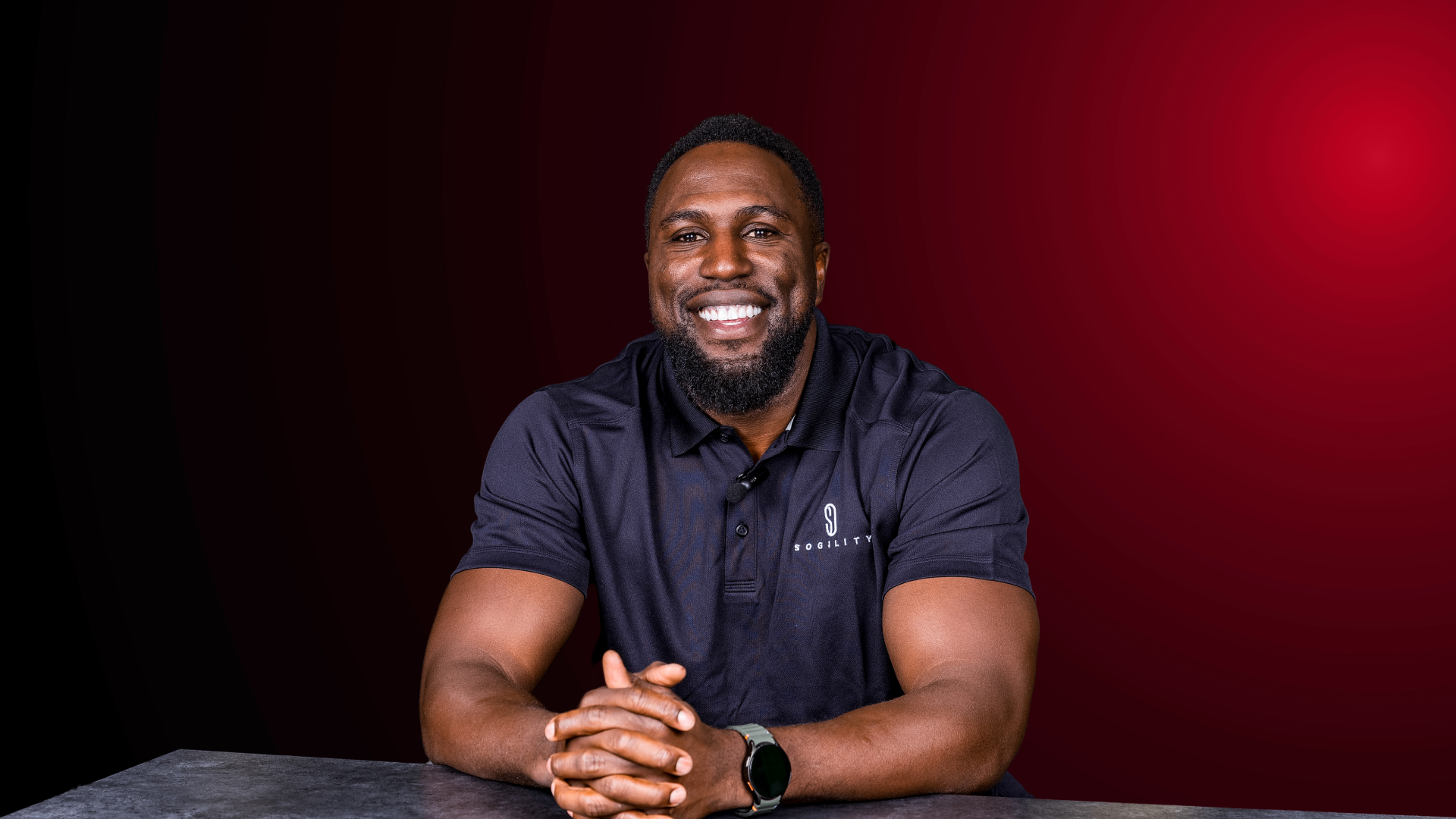
Jozy Altidore
On retirement, reinvention, and what it really takes to build something when the structure that defined your life disappears.
Join
Newsletter.
Be the first to read new conversations and behind-the-scenes notes.