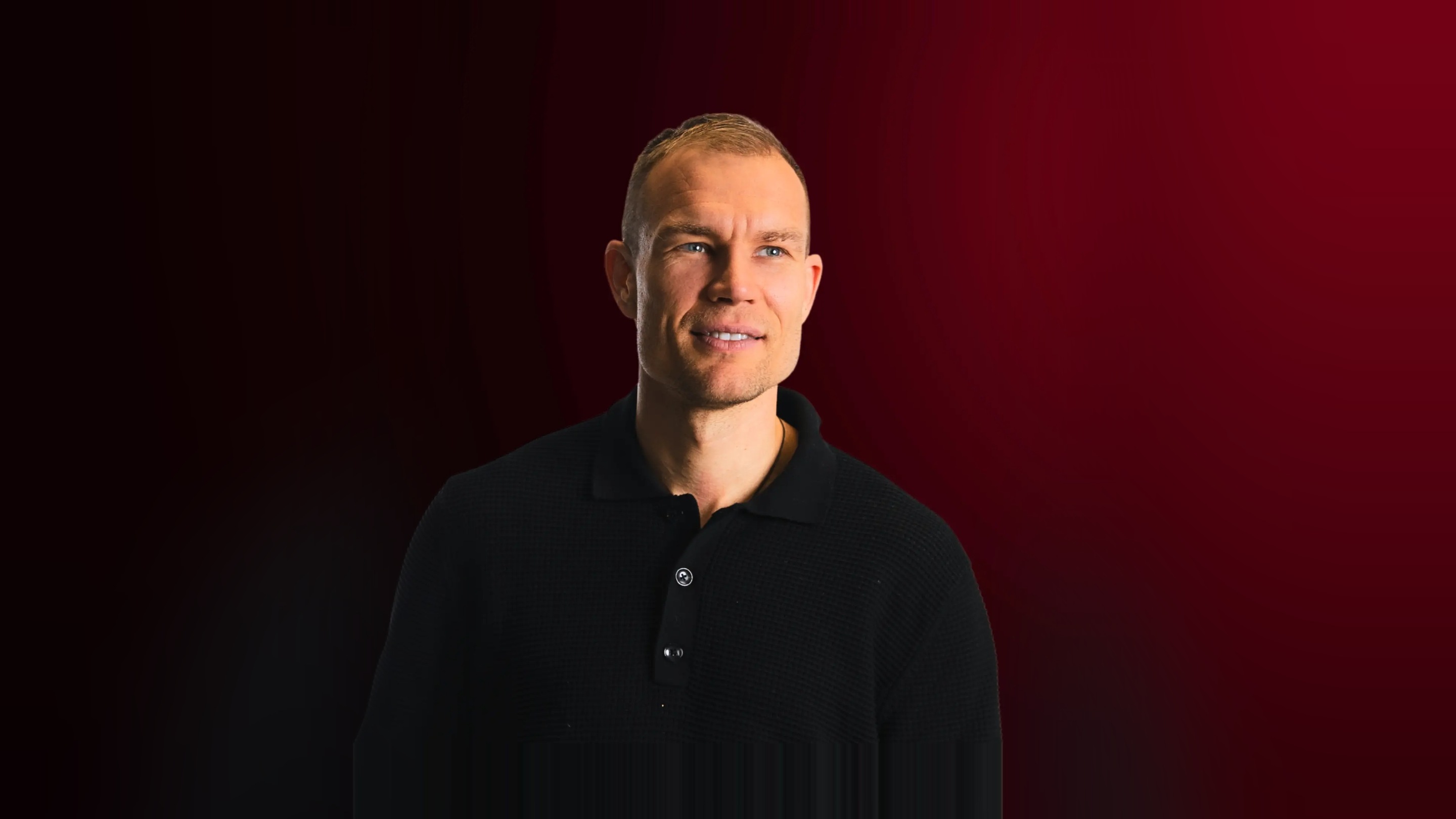
Holger Badstuber
Passing Forward
On Bayern's treble side, the injuries that shaped him, true friendship, and building a circle athletes can actually trust.
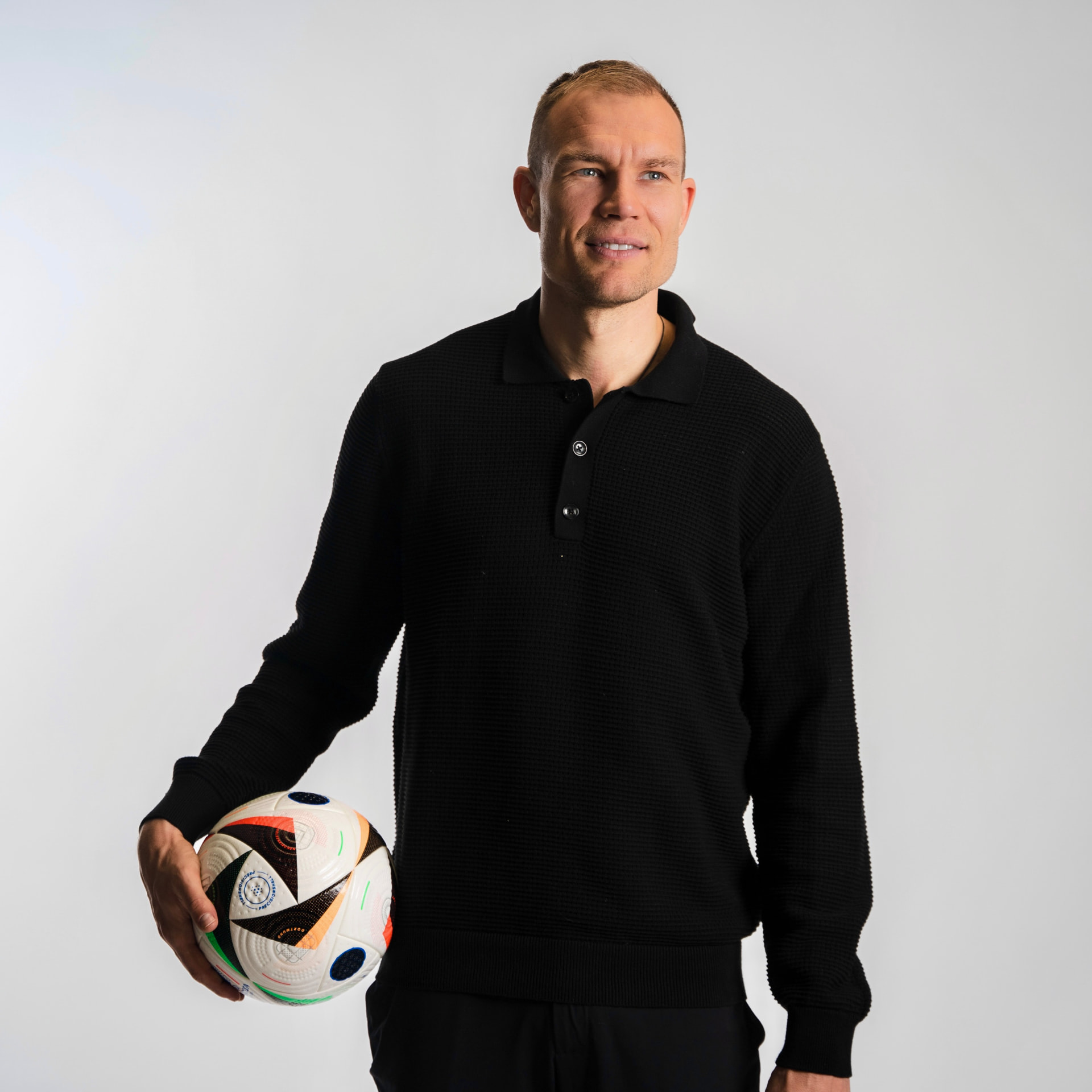
Eight years in Bayern Munich's first team, 31 caps for Germany. Ask Holger Badstuber what actually got him through it all, and he talks about his people.
I experienced a whole career, injuries, difficult times, beautiful times too. I think I did a good job, but not without my setup, the people around me. I wouldn't be where I am today without them. I want to share that experience and help the next generation.
Now he's a co-founder and athlete advisor at IAM Family Office Sports, the same family office that helped him through it all since 2009, where he's setting up a new division. Holger feels closely connected to the people who've been part of it for years, and he's not the only one. His ex teammates David Alaba and Bastian Schweinsteiger are also connected to the same family office for years.
Especially Bastian Schweinsteiger is also a good friend of Holger's from their time together at Bayern, and stood by his side even in the toughest times. Basti proved that in a way Holger has never forgotten.
What Makes a Good Team Great
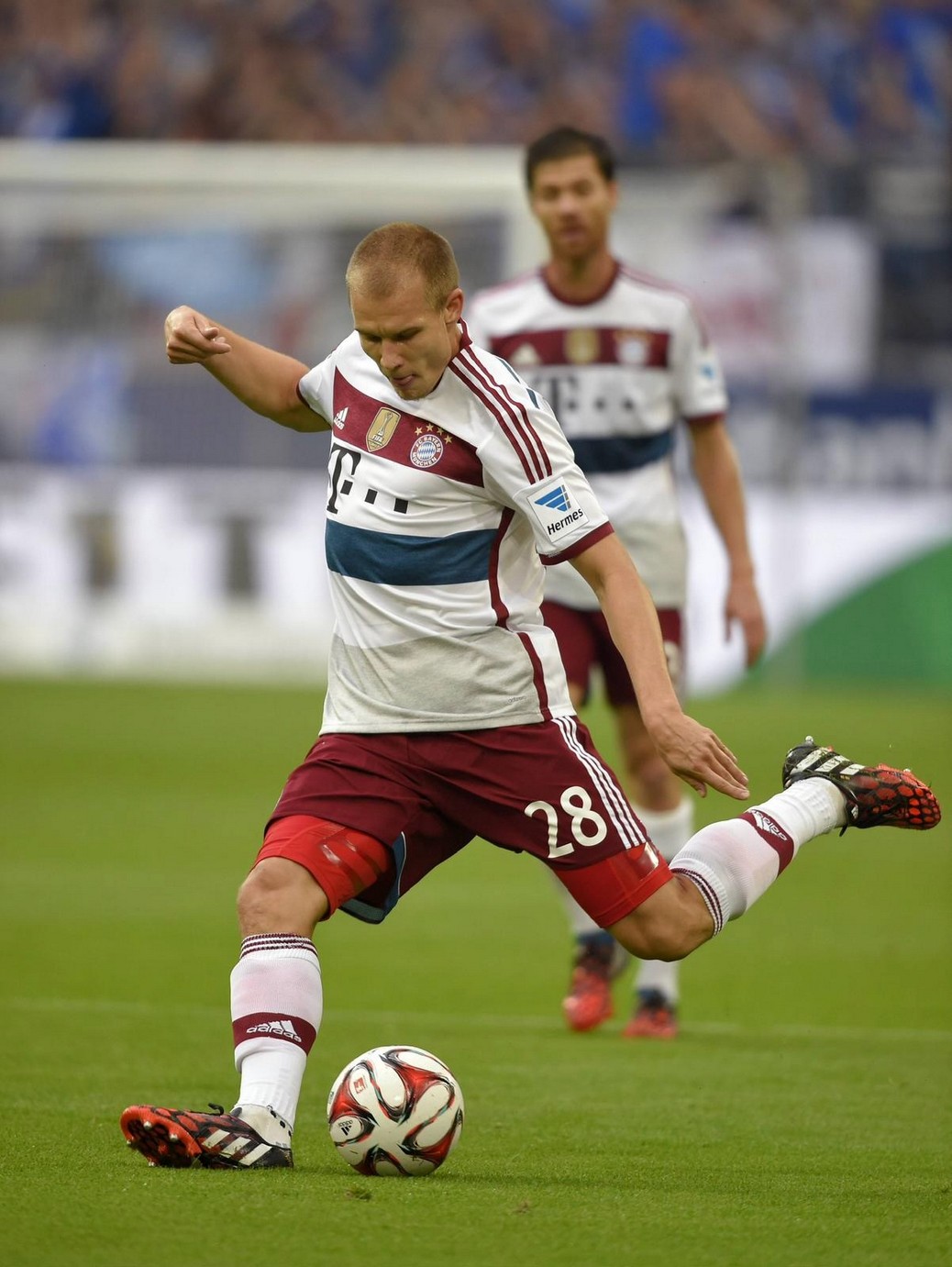
Holger was part of two teams people still talk about: Bayern's treble-winning side in 2013, and the German national team he played for through the 2010 World Cup and Euro 2012. An injury kept him out of the 2014 World Cup squad, the one his teammates went on to win. What actually made those teams so good? Individual quality, or something more?
We settled high standards, not only in the game, especially in training sessions. It was a high level through the whole season in training. Even in the dressing room, we had this culture to win, to always want to improve, individually but also as a team.
A year earlier, in 2012, the club had lost a Champions League final on its own ground in Munich. The next year, instead of carrying that scar into the new season, they won the treble.
We came back and set new standards instead. I think we were the best team in the world that year.
He sees the same thread running through the Germany squad that won the World Cup in 2014.
I was injured, so it wasn't possible for me to be part of that team. But I knew this team for years. I'd been through 2010 and 2012 with them. Good spirit, real identity, a clear philosophy under Löw. We lost twice at the big tournaments, but we kept growing. By 2014 you could really feel it coming.
He says all this without any bitterness to it. Both teams lost before they won. Bayern in a Champions League final at home. Germany twice at the semi-finals. Neither let it break them. If anything, both used it to get better.
That era feels a long way from where German football stands now, with Germany dropping out of the 2026 World Cup early, in the round of 32. About 10 years ago, in a media interview, Holger said the next generation was too soft, too comfortable, lacking hunger. He was criticised publicly for it at the time, but he turned out to have a point, starting with Bayern's own academy.
We didn't create our own youth, our own culture. We bought players from abroad instead of giving our own players the chance. That really changed things.
Time to Figure It Out
Once he stopped playing, Holger gave himself time to figure out what he actually wanted, rather than rushing into whatever came next. That meant travelling first, seeing parts of the world football had never given him time for.
I wanted to be free, because I wanted to experience new things. On weekends, I was never free before, on weekends it was game day, it was about being the best version of yourself. After twenty years of someone else telling you where you have to be, now I finally wanted to be a free person, a normal person, and travel.
The structure of his life as an active player never went away, though.
I'm a structured person, but I structure my own day now, not the club, not the coach. I need my sleep, I wake up early. Every day is not a football day anymore, it's to do sports, paddle tennis, HYROX. To be active, it's very important for me. This is a topic which I think goes through my whole life.
He also took a UEFA sports management course, a chance to see the business from a different angle and talk to experts, other players, coaches. What he came away with was clarity about what he didn't want.
I don't want to be part of a club, I don't want to be part of the association or something else. I don't want to be a coach on the pitch 24/7, I was enough on the pitch in my career.
It became clear to him that what he actually wanted was to put his own experience to use:
I want to share my experiences with other sportsmen, players, coaches. I think there's a real gap here. I really want to help, just to help.
Trusted Circle
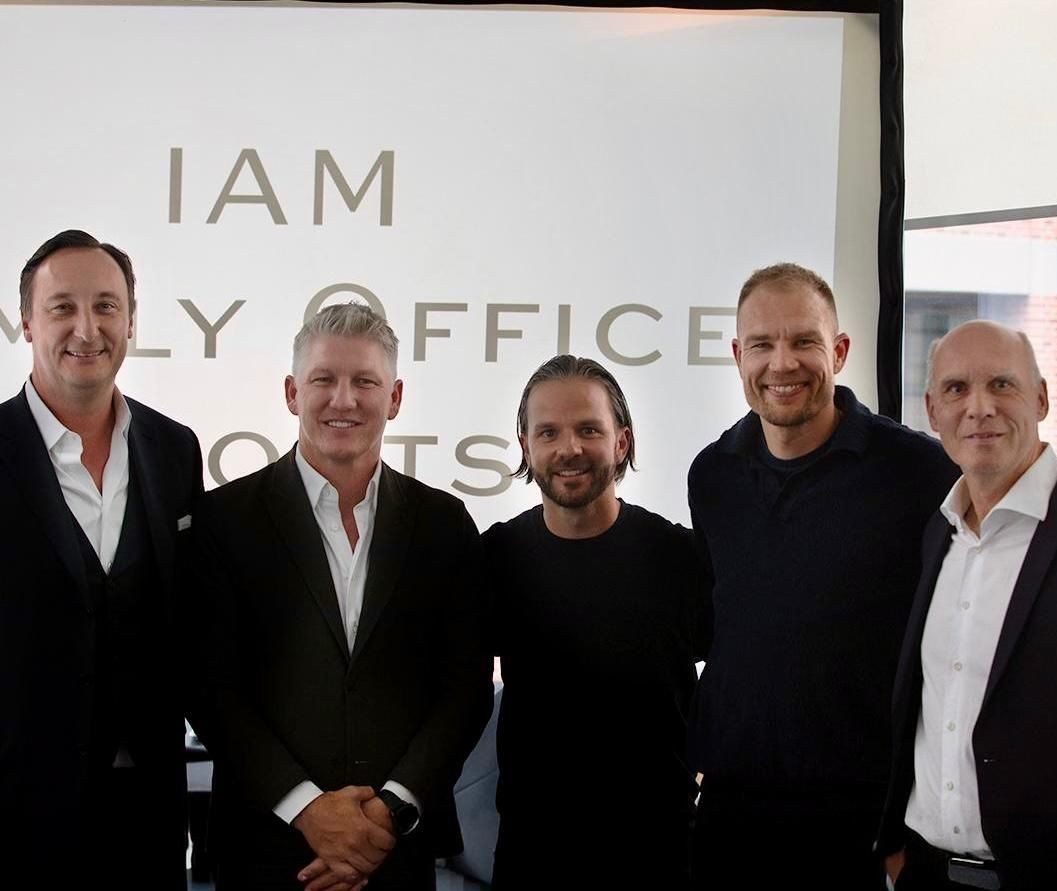
In his role at IAM Family Office Sports, he's setting up a new division within the family office he's been part of for a long time. This new division, offering all-round support for the next generation of athletes, was launched 6 months ago, and builds on the success they've already achieved together over the years.
Holger is doing this alongside Thomas Beckenbauer, son of legend Franz Beckenbauer, and Managing Director Maximilian Zahn, who supports the operational execution of the company's strategic direction and brings years of agency experience.
The concept is built on combining the real-world experience of athletes with the expertise of a business network. The office describes itself as a 360-degree family office, one that stands by its clients for life, not just through their active careers. It covers everything from contract negotiations and career management to wealth creation, tax planning and brand building, but the part Holger keeps coming back to is the personal side of it.
I experienced a whole career, injuries, difficult times, beautiful times too. I wouldn't be where I am without the people around me. Like a family, they really supported me through all these years.
That's really what set his circle apart: real, individual attention that stuck with him through the injuries, through the good seasons and the bad ones, all the way from his first year as a client to now that he has become a partner in the family office himself.
I bring up something Giannis Antetokounmpo recently said, that he thinks athletes should keep their financial advisor and their lawyer strangers to each other. I found that a heavy thing to hear, but I recognise it from a lot of my own conversations too: so many athletes struggle to find a team around them they fully trust.
That's what IAM Family Office is all about for Holger.
Football is very short-term thinking, but you want a long-term relationship with your circle. It's about trust, about value and growing together.
I was a player, and I'm a person. Players and coaches really need their own circle, besides what the club or association gives them. You are an individual, and no one knows better what you want, what you have to take care of and what you need, than the people you create around you.
More Than a Teammate
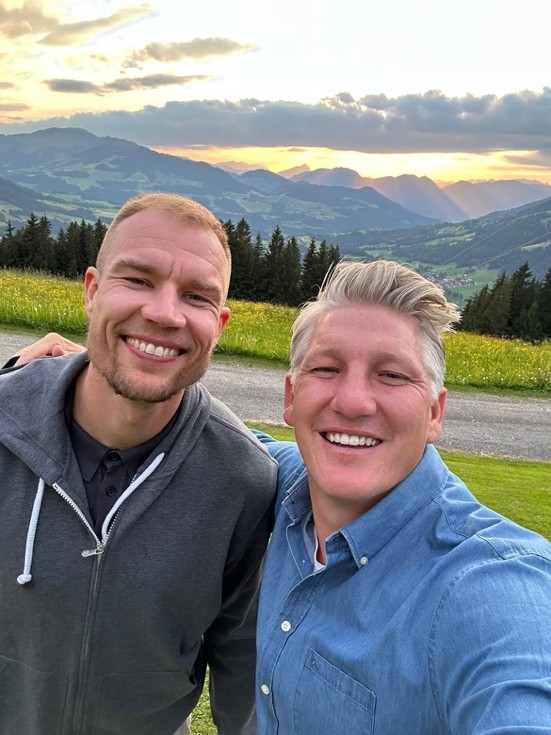
Bastian Schweinsteiger, who played alongside Holger for years at Bayern Munich and the German national team, became one of Holger's closest friends in the game.
From my experience, I know that real friendships are rare in football. Football can be a business where everyone has to follow their own path. But with Bastian, it was different. We became close friends, and our friendship was about much more than football.
He tells one story he's never forgotten.
In May 2013, when I was badly injured, Bastian dedicated the DFB-Pokal win and the Champions League final to me. Before the final in London and during the celebrations, he held up my shirt with the number 28 for the cameras. That meant a lot to me. At a time when I could not play and things were very difficult for me, Bastian showed me that I was still part of the team and part of the success. I will never forget that.
Real friendships are rare in football. But with Bastian, it was different. Our friendship was about much more than football.
Built on Authenticity
I don't see enough values in this world anymore. Everyone wants a brand, an image, but not an authentic one. Fans know exactly when it's fake.
The right people around a player, in his view, are the ones who help him say no to a deal that doesn't fit, not just the ones who help him sign the next one. He has a theory, too, about who takes to self-promotion naturally, and it sounds completely obvious.
I think a lot of defenders are very similar in personalities, pretty introverted, calm, but they know they have a lot of responsibility to the team. Forward players have to be free, open-minded, more eccentric.
So I think forward players are better to promote, especially the creators, they're very open-minded. Where you play is just the starting point, though.
Figuring out what actually fits, you have to do that yourself and with the experts around you. Because in a long-term perspective, when you want to be happy at 40, 50, 60, and you look back, you have to think: I made the right choices, I promoted myself in an authentic way.
I'm always a role model, I want to do the best out of myself, commercially but also on the pitch.
What Injuries Teach
Injuries shadowed a fair share of Holger's career, sidelining him for long periods more than once. I ask what he actually took from that.
It taught me a lot about myself, about my personality, about what I can improve. It's a risk of being a footballer, of a sportsman, that these times will come. You have to be prepared.
Patience was the hard part.
It was a hard thing for me to learn. Two steps forward, one back, over and over. You get closer to the team, but it takes time, mentally and physically. I made wrong choices along the way. Overall I did a good job, but it was messy sometimes. It was just about growing.
If he could go back, he'd build the team around his own recovery from day one.
I'd bring in my own people from the start. A mental coach, a nutritionist, someone for rehab. Not everyone at a club likes it when a player builds that outside their own staff. It creates friction. But it's your health, not theirs. I think it's more important to have your own circle, to trust your own experts.
It was a hard thing for me to learn. Two steps forward, one back, over and over. You get closer to the team, but it takes time, mentally and physically.
The Thing He'd Do Differently
For all the experience he's built up since, there's still one thing he'd have done differently as a player: he never really went abroad. After Bayern, he never stepped outside Germany, aside from a spell at Luzern late in his career.
I should have. After Bayern, I should have pushed myself toward a different city, a different country. That was a real decision in front of me, and I didn't think about it properly at the time. I just wanted to play, so I went back to Stuttgart.
There's real value, he says, in staying somewhere long enough to build something, and he doesn't regret his years inside German football for that reason. But a new language, a new city, a different football culture would have forced a kind of growth that staying home never asked of him.
Creating, Helping and Passing Forward
I ask where he sees himself in 5 years, and the answer echoes everything he's already said.
I want to keep growing, as a person, as a friend, as an expert on the other side of the table. Keep my values. Be a role model, but not in front of the camera. I want to help in 1 year, help in 5 years, because football is still my passion, just from a different angle now. I'm not interested in the front row. I'm interested in creating, in helping, in focusing.
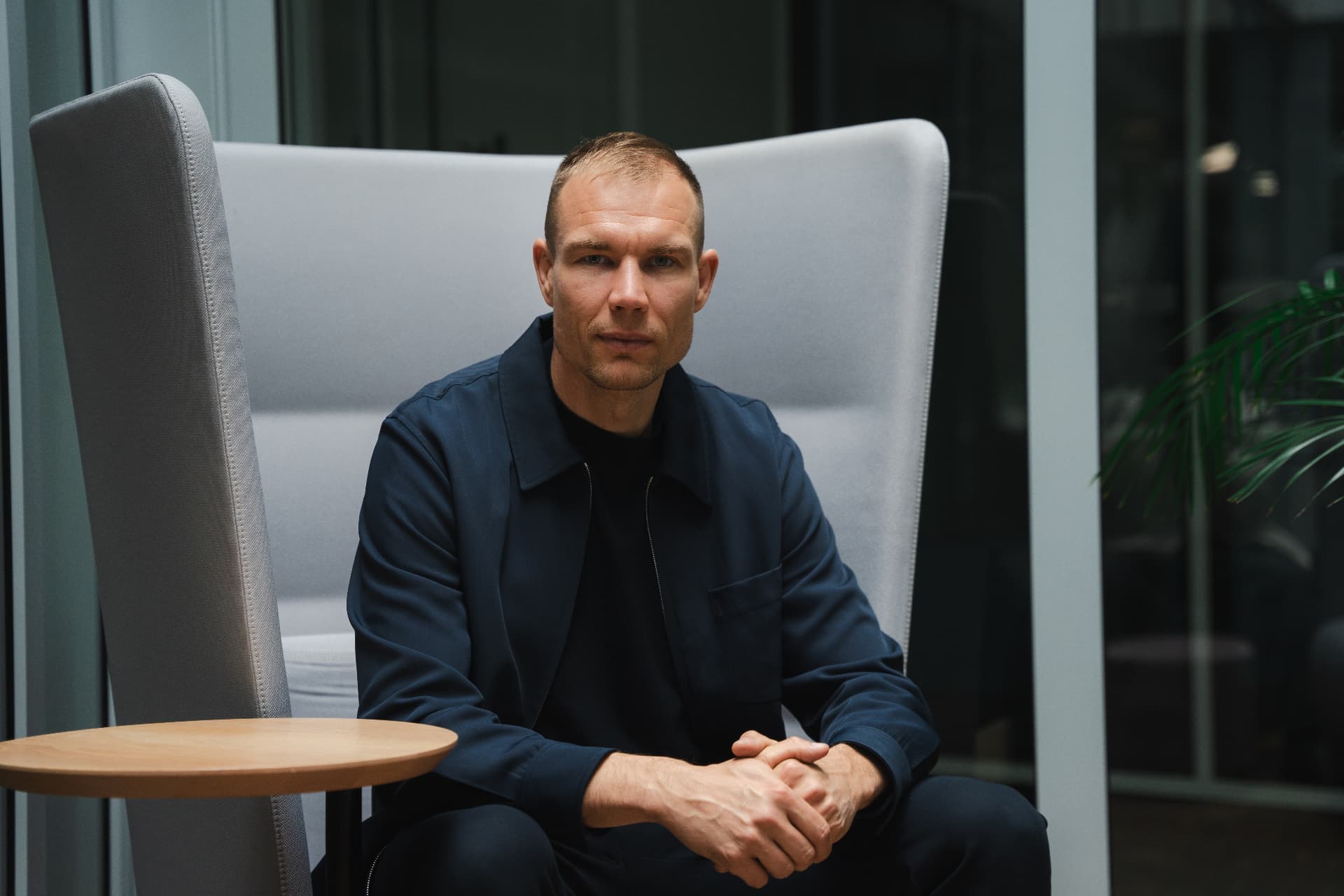
At its core, that's what Holger stands for. Bastian Schweinsteiger showed him what real friendship looks like, holding up his shirt when he couldn't be on the pitch himself. The family office showed him what real support looks like, in a different form. He wants to be that for the next generation of players. He's just on the other side of it now, passing everything he learned forward.
I'm not interested in the front row. I'm interested in creating, in helping, in focusing.
Related
Continue reading.
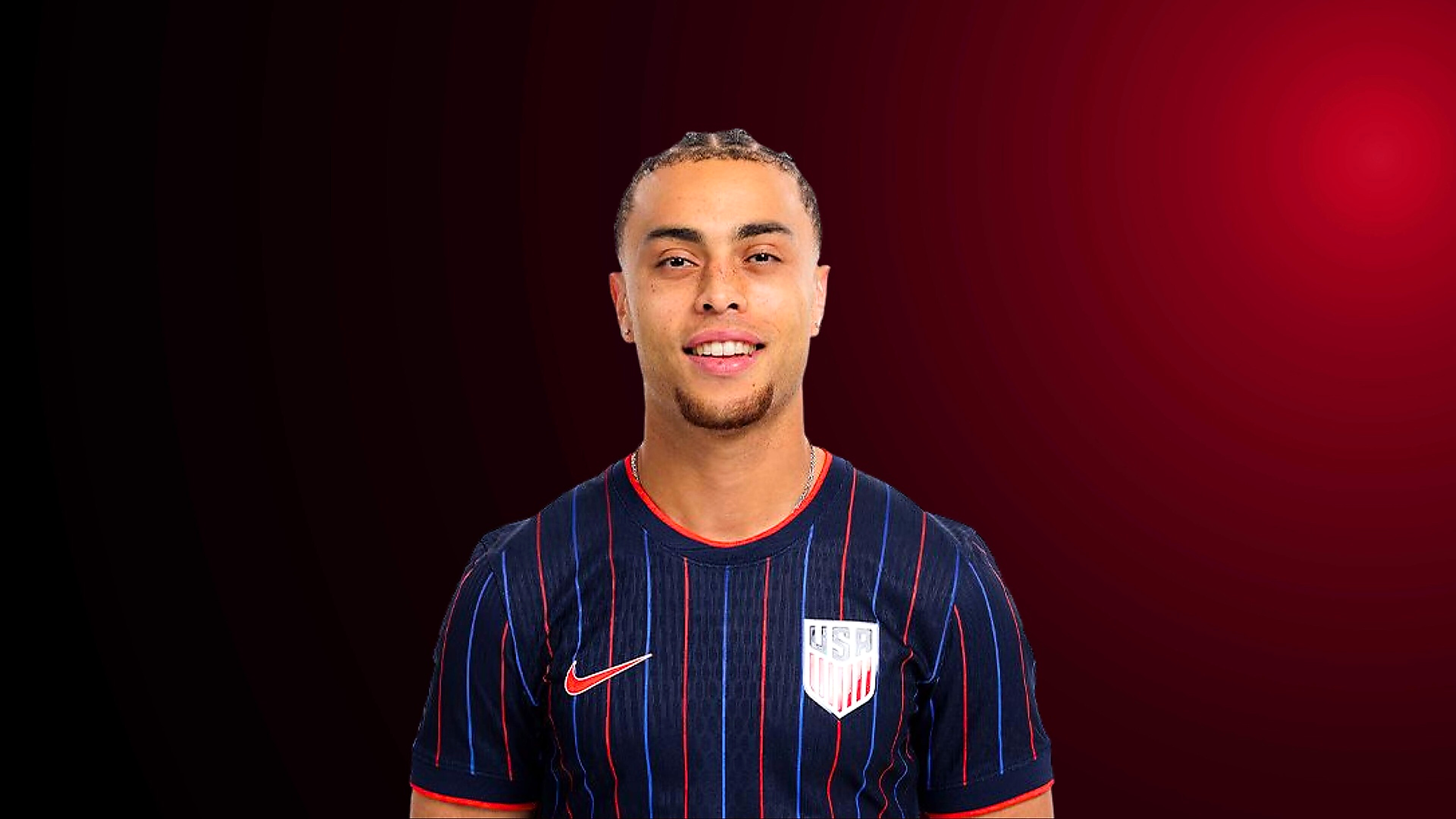
Sergiño Dest
On the World Cup, choosing the US, building courts, and the legacy he's already shaping at 25.
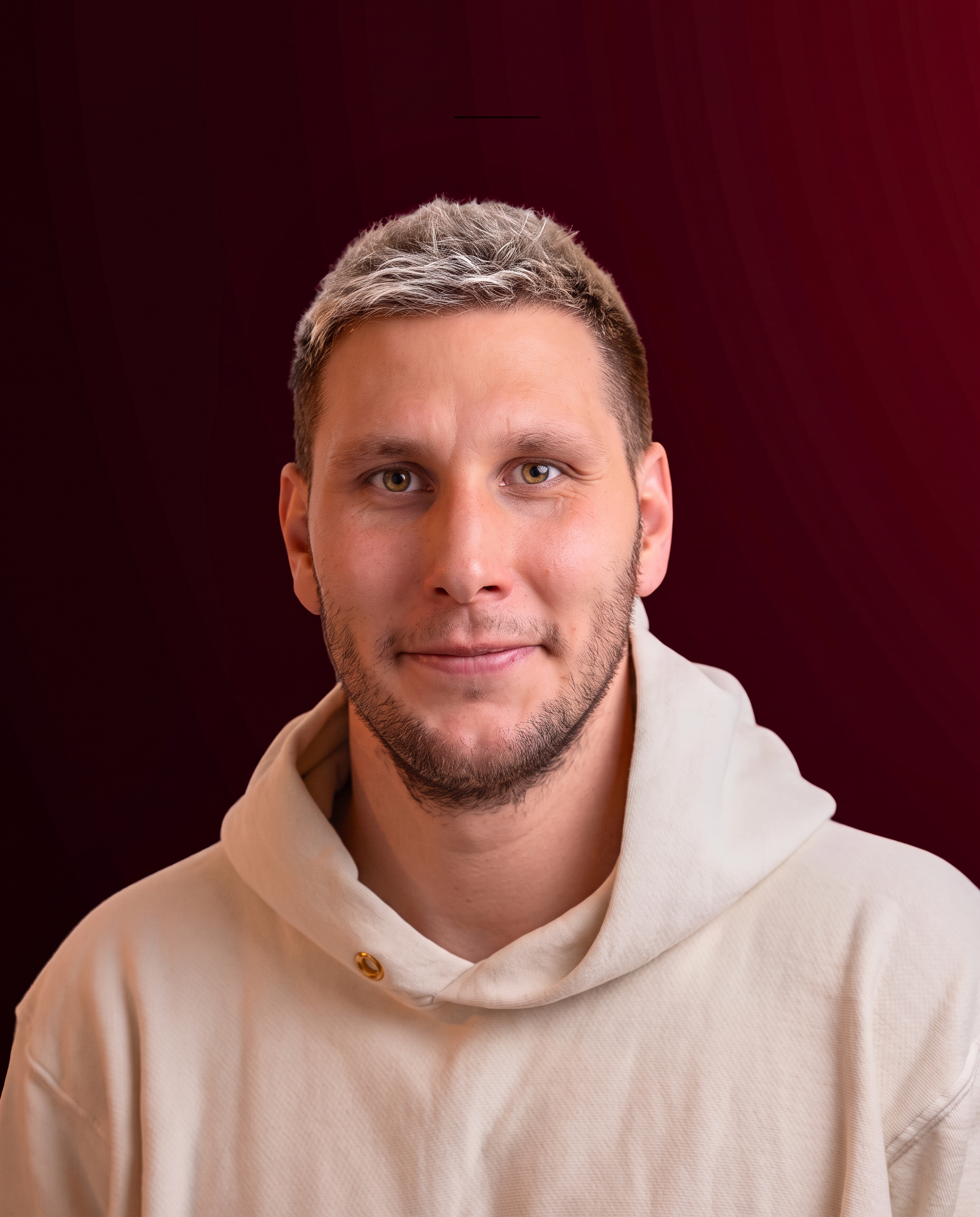
Niklas Süle
On building games & leaves and German Giant Gin, financial independence, life without social media, and choosing a future beyond professional football.
Jan Vertonghen
On leaving home at 16, the conversation that changed his career, building a foundation, and what comes after 157 caps.
Jozy Altidore
On retirement, reinvention, and what it really takes to build something when the structure that defined your life disappears.
Alfred Finnbogason
On scoring Iceland's first-ever World Cup goal, seven countries as a player, and stepping into one of Scandinavia's biggest jobs as Technical Director at Rosenborg BK.
Join
Newsletter.
Be the first to read new conversations and behind-the-scenes notes.