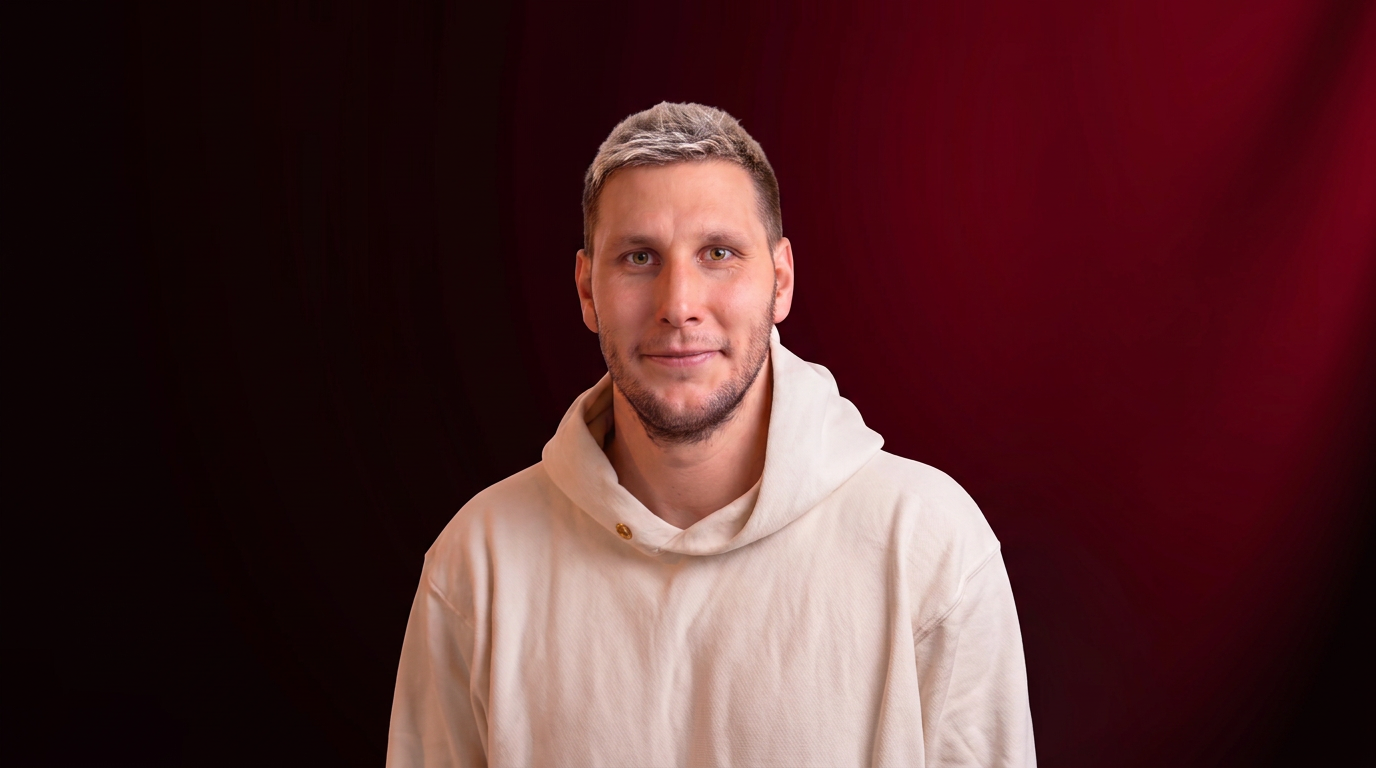
Niklas Süle
Building His Own Team
On building games & leaves and German Giant Gin, financial independence, life without social media, and choosing a future beyond professional football.
I know far fewer who have actually built businesses in between Bundesliga, Champions League and national team matches.
Niklas Süle built two.
He retired just a few months ago - at 30 - earlier than most players, after 13 seasons at Hoffenheim, Bayern Munich, and Borussia Dortmund. He won 5 Bundesliga titles, a Champions League title, and earned 49 caps for Germany.
When we talk, he's still in Dortmund, a few weeks from the move to the house he's building in Heidelberg. It's one of the first interviews he's done about life beyond football rather than his football career. But it's a life he started planning for a long time ago.
I always wanted to work for my own company. That was my target.
games & leaves
In 2023, Niklas Süle did something only a few footballers do: he started a gaming company. games & leaves is a game studio building sports-native games, combining high-quality game development with sports IP and athlete-powered distribution.
I had this idea in Munich, I wanted to put my football network into the gaming market. That was the first idea.
The company was originally called Penalty League before becoming games & leaves. Süle knew he could contribute creatively and bring people from football into the project. “I’m not a developer, I don’t write code, but I am creative. I can find the right people, and I can put my network behind it.”
Marco Reus and David Raum, his former teammates at Dortmund and with the German national team, invested early. But having a network and an idea was only the starting point. Building an actual company proved much harder.
Some ideas looked good on paper but didn't work once they became products. Other decisions had to be made without knowing whether they would pay off. “In football, I always knew what the next week looked like.. training, the next game, the next opponent. With the company, it was completely different. You can have an idea you really believe in and then realise it’s not going to work. You have to accept that, try things, make mistakes and learn from them. Not every idea works out. That’s the reality of building something.”
They found their way with Goalden League, a fast-paced football game built around penalties and free kicks.The game gained traction and was featured by Apple in the App Store, with Süle himself appearing as a playable character alongside Marco Reus, music artist ENISA and a cast of other characters.
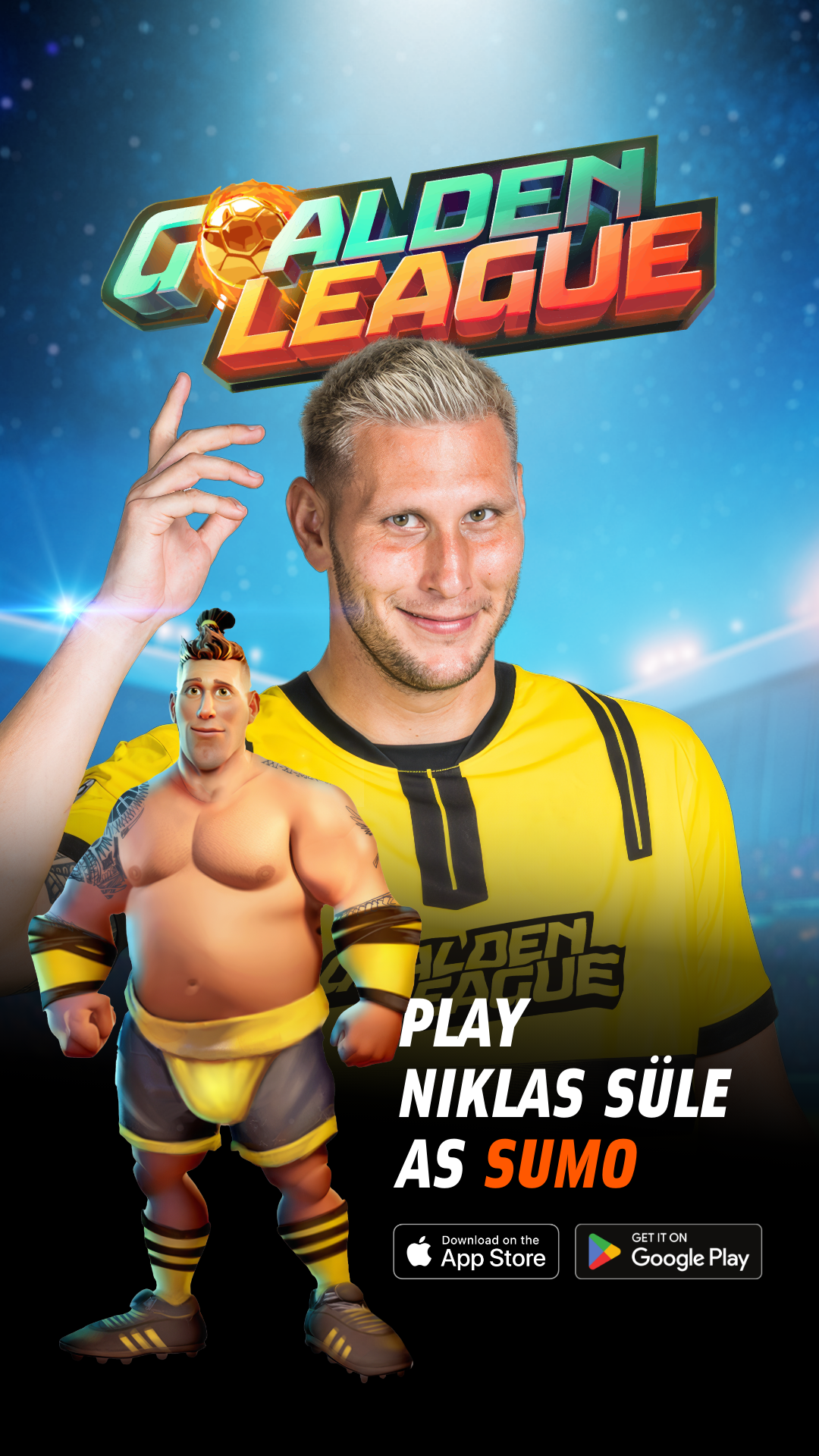
The follow up Football Go is to be released by the end of the year: a dice-and-board game where players recruit footballers and build a squad.
The ambition is broader than building traditional football simulations. The studio uses sports IP as the starting point for games across different genres, from casual free-to-play formats to new digital sports experiences.
The idea is that athletes and other sports personalities should not simply appear in a marketing campaign. Instead, they can become part of the product itself - as playable characters, in stories and competitions, with their audiences helping to distribute the game.
I always wanted to work for my own company. That was my target.
A Different Kind of Responsibility
What started as an idea in Munich has become a serious business. The studio now employs more than 20 people. The team has been fully remote from day one, with people working across Spain, Romania, Germany, Poland and Egypt. That growth happened almost overnight, after games & leaves absorbed the development team behind its first game. For Süle, it brought a completely new kind of responsibility.
It was the first time in my life where I had to speak to people who look at me like I'm the boss of this company. Normally I look to my coach and he's like my chef. So it was really strange at the beginning, and really exciting at the same time. And these people have families too, you know. You have to pay their salaries, exactly. It was a totally different situation in my life.
Süle focuses primarily on the creative and product side of the business.
I sit down with my business partner and we think about new gaming ideas together. The important part comes after that, figuring out whether those ideas can actually become products. Not every idea works out. But we do everything for it.
He quickly realised that building a company had something in common with football.
You cannot achieve anything without a team. My brother Fabian is CFO, he handles the finance. Stefan is managing director, he's the one who turns our ideas into something we can actually build and ship. My business partner Alexander is CEO. And as a co-founder, I lead marketing and business development. Everybody has their part. We have people working from different parts of the world, so we try to meet at least once a year. It really is a team effort. I don't have to be the best in every segment, I need to find people who are really good in theirs.
German Giant Gin
games & leaves wasn't the first company Süle started. Before that he co-founded a gin brand: German Giant Gin.
It started during Covid. I'm a guy who likes to be with friends and to have a drink. I can appreciate a good gin. There was a lot of demand in the gin market at that time, but also a lot of competition.
He didn't want to create another retro-branded gin trading on a hundred years of heritage. Instead, he looked at brands like Jägermeister, which had built their own identity from scratch. "We wanted to do something different, more in our own direction, nobody had really done that with gin in Germany."
He kept his own name deliberately out of it. "I never did marketing for my own gin while I played. The product had to work on its own, not because I as a Bundesliga player was attached to it. The quality has to be there. If the product is bad, it's two or three good months of revenue, and then it's over. It really has to stand for itself."
Staying in football in some other capacity was never something he seriously considered. "Coaching is the worst for me. You have 11 players and the others are always angry with you."
He laughs, but with a serious undertone. A role as sporting director held even less appeal. "30 agents a day wanting to sell you their players. I would never do this. I'm happy I've found something outside of football that gives me much more energy."
Money and Freedom
Süle's parents started talking to him about money when he made his Bundesliga debut at 17.
They always told me: be clever, because the time is coming where you don't get this money anymore.
He didn't always listen. At 19, he bought an Audi R8. His father wasn't impressed. "He said: are you crazy?" Now Süle has children of his own. "If my son comes at 19 and buys an R8, I would probably say the same.. what are you doing?"
The lesson stayed with him. He invested in real estate early, and has always thought about what happens when the football money stops.
You have to think about how much comes in and how much goes out. Some players struggle because their lifestyle grows with their salary. If you're going on vacation five times a year for 500,000 euros, that's 2.5 million. I'm not saying players shouldn't enjoy their money, they should. But you need to understand what you're spending. I think the best feeling in the world is to be independent.
I think the best feeling in the world is to be independent.
No Social Media
Niklas became more careful about what he said publicly. He has plenty of opinions, but he didn't feel the need to share all of them.
I didn't do so many interviews, because I didn't want them to really tell what I'm thinking. You have to think 3 times about what you're saying now. And I don't think that's only a football problem. It's a world topic.
At the same time, he believes athletes can use their platforms well.
If you show the world how you care about people, how you do something for kids or animals, that's good. My problem is the constant noise.
That noise is exactly what he cut out of his own life. Süle deleted his social media accounts several years ago and has kept them deleted ever since.
I felt for myself it's not good for me. I don't have to tell anyone or show anyone: hey, I have a nice car, I have this, I go on this boat. I don't need this. Everyone is comparing with each other, it's like a sick environment for me. You don't have the possibility to separate from it and be with yourself.
A mental coach trained in Buddhist practice started working with him about two years before he retired.
It helped me a lot, because you are with yourself. You settle yourself down, you try to think about nothing for maybe 5 or 10 minutes a day. It really helps to cut the noise.
I don't need to show anyone that I have a nice car or go on this boat. Everyone is comparing with each other. It's like a sick environment for me. My problem is the constant noise.
Time to Stop
Niklas is critical of where football is heading. He feels the game has become increasingly focused on data and the value of players as assets, rather than the people behind the numbers.
Players are treated more and more like stocks, like a product. If a player has to run 35 kilometres per hour and he doesn't run over 35, he doesn't come on the list. Even if he has a great shot, or he's a mentality player, that won't show up in the data. There are humans behind it.
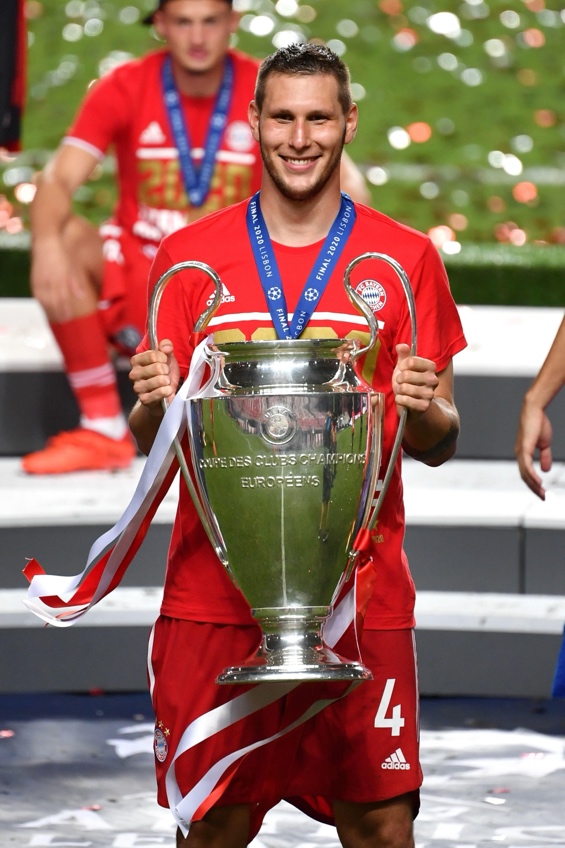
His last two seasons were hard. He kept getting injured, coming back too early, and getting injured again. "I missed 40, 50 games. I don't know. It was really much."
Two years before he actually retired, his mother told him plainly that she didn't think he was happy in football anymore.
She said: I don't think you are the person who is happy in this football world. She was right, to be honest. I had some dark times there, I didn't want to go there anymore.This is a big topic in life, to see where you have problems, and to have the encouragement to work on it. That's what I did. And that's what I'm proud of. If you are not resilient, it's not maybe the right spot for you in this industry.
Eventually he decided it was enough. That decision came earlier than some people expected, but he doesn't regret it at all.
I wanted to focus on my businesses, to play with my kids, to play golf and to be able to play amateur football. I was on vacation and I didn't think once: why did I stop?
The Same Niklas
Family and friends play a really important role in Niklas’ life.
My wife, everything I do, I do with her. My friends are still the same friends I've had my whole career. My parents are still close to me, my brother is involved in the business. We still come together on holiday, my parents, my brother, my kids.
I never thought I'm a better person, or a better player, because I was good at football, or because I made money. I loved football, but football was not my whole life. I always saw myself as the same Niklas, the guy who goes out with his friends and has a beer, and on the other hand plays a Champions League game against Barcelona. I had some struggles understanding I have to be both.
I cannot say that I got everything out of my career. It would be a lie to say I did. But that doesn't mean I'm not incredibly proud of what I achieved, and the titles I have won.
These days Niklas plays 9th division football in Heidelberg with two friends, on Saturdays. He has found a way to keep football in his life, but on his own terms.
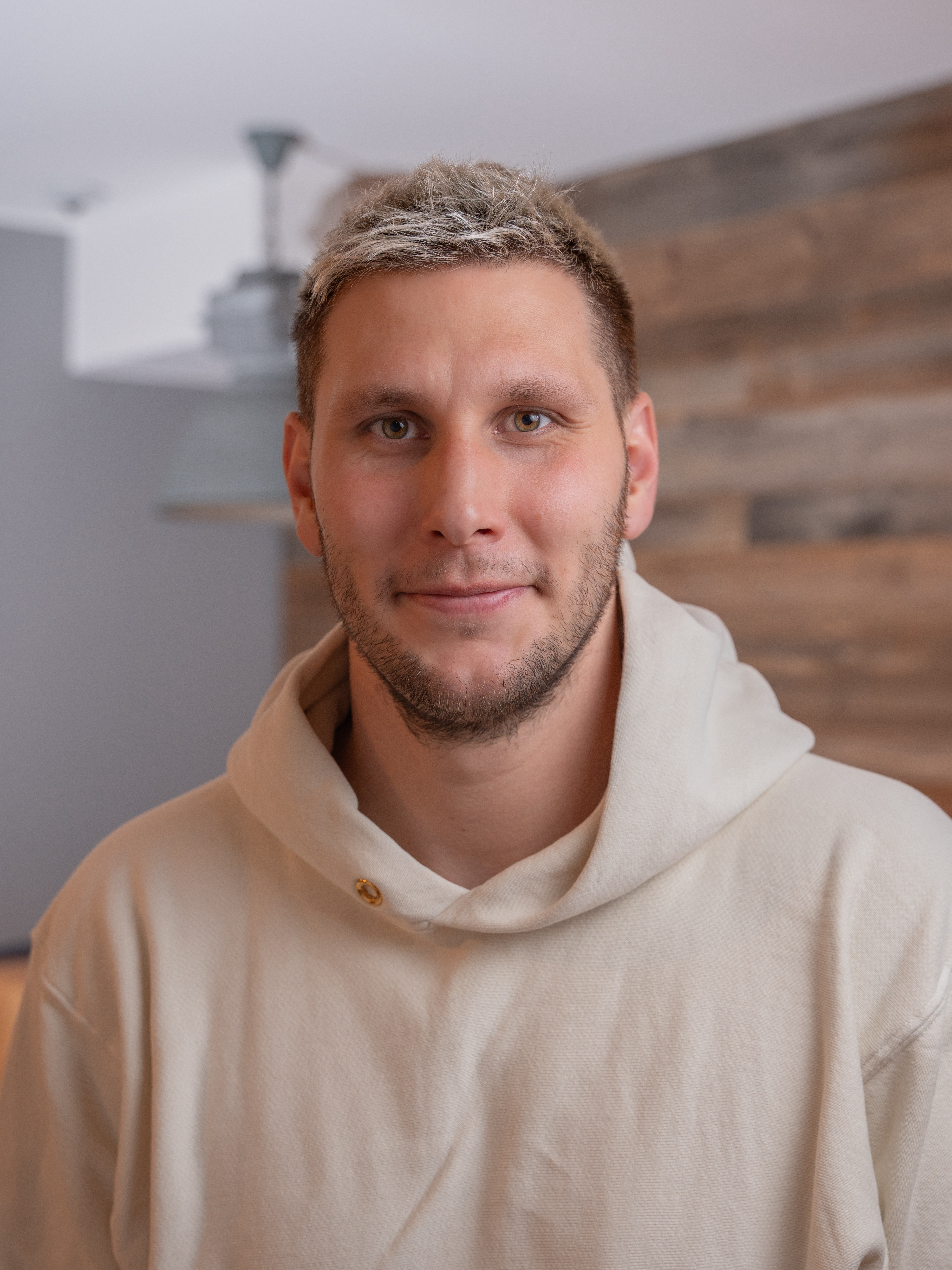
I always saw myself as the same Niklas — the guy who goes out with his friends and has a beer, and on the other hand plays a Champions League game against Barcelona. I had some struggles understanding I have to be both.
Related
Continue reading.
Sergiño Dest
On the World Cup, choosing the US, building courts, and the legacy he's already shaping at 25.
Holger Badstuber
On Bayern's treble side, the injuries that shaped him, true friendship, and building a circle athletes can actually trust.
Jan Vertonghen
On leaving home at 16, the conversation that changed his career, building a foundation, and what comes after 157 caps.
Jozy Altidore
On retirement, reinvention, and what it really takes to build something when the structure that defined your life disappears.
Alfred Finnbogason
On scoring Iceland's first-ever World Cup goal, seven countries as a player, and stepping into one of Scandinavia's biggest jobs as Technical Director at Rosenborg BK.
Join
Newsletter.
Be the first to read new conversations and behind-the-scenes notes.